As somebody who has been writing rather a lot of fiction for the last few months, like anyone I’ve faced a range of challenges and set-backs. But here are 20 inspiring comments I’ve collected from some of the true greats, which have helped to keep me on track. I hope you might find them equally useful.
1. Stephen King: “The scariest moment is always just before you start. After that, things can only get better.”
– Starting the writing process can be incredibly daunting. The blank page stares back at you, and the fear of not knowing where to begin or how to proceed can paralyse you. This initial hesitation often stems from self-doubt and the pressure to create something perfect right from the start.
– The key is to just begin. Once you start writing, the fear diminishes, and the words begin to flow. Accept that the first few sentences might be rough, but they are a necessary step in the creative process. The act of starting breaks the inertia and sets the creative wheels in motion.
2. Ernest Hemingway: “There is nothing to writing. All you do is sit down at a typewriter and bleed.”
– Writing requires emotional vulnerability. It involves pouring your thoughts, feelings, and experiences onto the page, which can be both cathartic and painful. This emotional exposure can be intimidating, as it leaves you open to judgement and criticism.
– Embrace the emotional journey of writing. Understand that the raw, honest expression of your thoughts and feelings is what makes your writing powerful and relatable. Allow yourself to be vulnerable, and trust that this authenticity will resonate with your readers.
3. Anne Lamott: “Almost all good writing begins with terrible first efforts. You need to start somewhere.”
– The fear of imperfection can prevent you from even starting. You might worry that your initial drafts won’t live up to your expectations or that they will be judged harshly by others. This perfectionism can stifle creativity and hinder progress.
– Accept that first drafts are meant to be rough. They are the foundation upon which you will build and refine your work. Give yourself permission to write badly at first, knowing that you can always revise and improve later. The important thing is to get your ideas down on paper.
4. Ray Bradbury: “You must stay drunk on writing so reality cannot destroy you.”
– Staying motivated over the long haul can be difficult. The demands of daily life, self-doubt, and external distractions can all sap your creative energy and enthusiasm for writing.
– Immerse yourself in the joy of writing. Find what excites you about your story or topic and let that passion drive you. Create a writing routine that you look forward to, and use it as an escape from the mundane aspects of reality. Let your love for writing be the fuel that keeps you going.
5. William Faulkner: “Read, read, read. Read everything—trash, classics, good and bad, and see how they do it.”
– Finding your unique voice as a writer can be challenging. You might struggle with self-doubt, comparing your work to others, or feeling like you lack originality.
– Read widely to understand different styles and techniques. By exposing yourself to a variety of genres and authors, you can learn what resonates with you and what doesn’t. This broad reading experience will help you develop your own voice and style, informed by the strengths and weaknesses you observe in others’ work.
6. J.K. Rowling: “I just write what I wanted to write. I write what amuses me. It’s totally for myself.”
– Writing for an audience can be intimidating. The pressure to please others or meet certain expectations can stifle your creativity and make the writing process feel like a chore.
– Write what you love and what interests you. Focus on creating stories or content that you find engaging and enjoyable. When you write for yourself, your passion and enthusiasm will shine through, making your work more authentic and compelling to readers.
7. Mark Twain: “The secret of getting ahead is getting started.”
– Procrastination is a common hurdle for writers. The longer you put off writing, the harder it becomes to start. This delay can be fuelled by fear, perfectionism, or simply the allure of other distractions.
– Take the first step, no matter how small. Set aside a specific time each day to write, even if it’s just for a few minutes. Break your writing tasks into manageable chunks and tackle them one at a time. By consistently making small progress, you’ll build momentum and make writing a regular habit.
8. George Orwell: “Writing a book is a horrible, exhausting struggle, like a long bout of some painful illness.”
– The writing process can be gruelling and exhausting. It requires discipline, perseverance, and the ability to push through periods of frustration and fatigue.
– Acknowledge the struggle and push through it. Understand that writing a book is a marathon, not a sprint. Take breaks when needed, but stay committed to your goal. Celebrate small victories along the way and keep your end vision in mind to stay motivated.
9. Toni Morrison: “If there’s a book that you want to read, but it hasn’t been written yet, then you must write it.”
– Lack of inspiration can be a significant barrier. You might struggle to find ideas that excite you or feel overwhelmed by the abundance of existing literature.
– Write the story you want to read. Think about the books or topics that you are passionate about and use that as your inspiration. By writing something that you genuinely care about, you’ll find the motivation and creativity needed to bring your vision to life.
10. Neil Gaiman: “This is how you do it: you sit down at the keyboard and you put one word after another until it’s done.”
– Consistency is key to completing any writing project, but maintaining a regular writing schedule can be difficult. Life’s demands and distractions can easily derail your progress.
– Write regularly, one word at a time. Set a daily or weekly writing goal and stick to it. Even if you can only write a few sentences each day, the cumulative effect will lead to significant progress over time. Consistency builds discipline and helps you stay connected to your work.
11. Sylvia Plath: “The worst enemy to creativity is self-doubt.”
– Self-doubt can cripple your creativity and prevent you from expressing your true potential. Negative thoughts and insecurities can make you question your abilities and the value of your work.
– Believe in your creative abilities. Recognise that self-doubt is a natural part of the creative process, but don’t let it control you. Surround yourself with supportive people, seek constructive feedback, and remind yourself of your past successes. Trust in your unique voice and perspective.
12. Isaac Asimov: “I write for the same reason I breathe—because if I didn’t, I would die.”
– Finding purpose in your writing can be challenging, especially during times of doubt or lack of motivation. Without a clear sense of why you write, it can be hard to stay committed.
– Write because it’s essential to your being. Reflect on what writing means to you and how it enriches your life. Whether it’s a form of self-expression, a way to connect with others, or a means of exploring your thoughts, recognise the intrinsic value of writing and let that drive you.
13. F. Scott Fitzgerald: “You don’t write because you want to say something, you write because you have something to say.”
– Finding your message or the core of what you want to communicate can be challenging. Without a clear purpose, your writing may lack direction and impact.
– Write with purpose and passion. Reflect on what you truly want to convey through your writing. What are the themes, messages, or ideas that you feel compelled to share? Let this sense of purpose guide your writing and give it depth and meaning.
14. Kurt Vonnegut: “Find a subject you care about and which you in your heart feel others should care about.”
– Choosing a topic that resonates with both you and your audience can be difficult. You might worry about whether your chosen subject will be interesting or relevant.
– Write about what matters to you. When you are passionate about your subject, your enthusiasm will come through in your writing and engage your readers. Trust that if you care deeply about a topic, others will too.
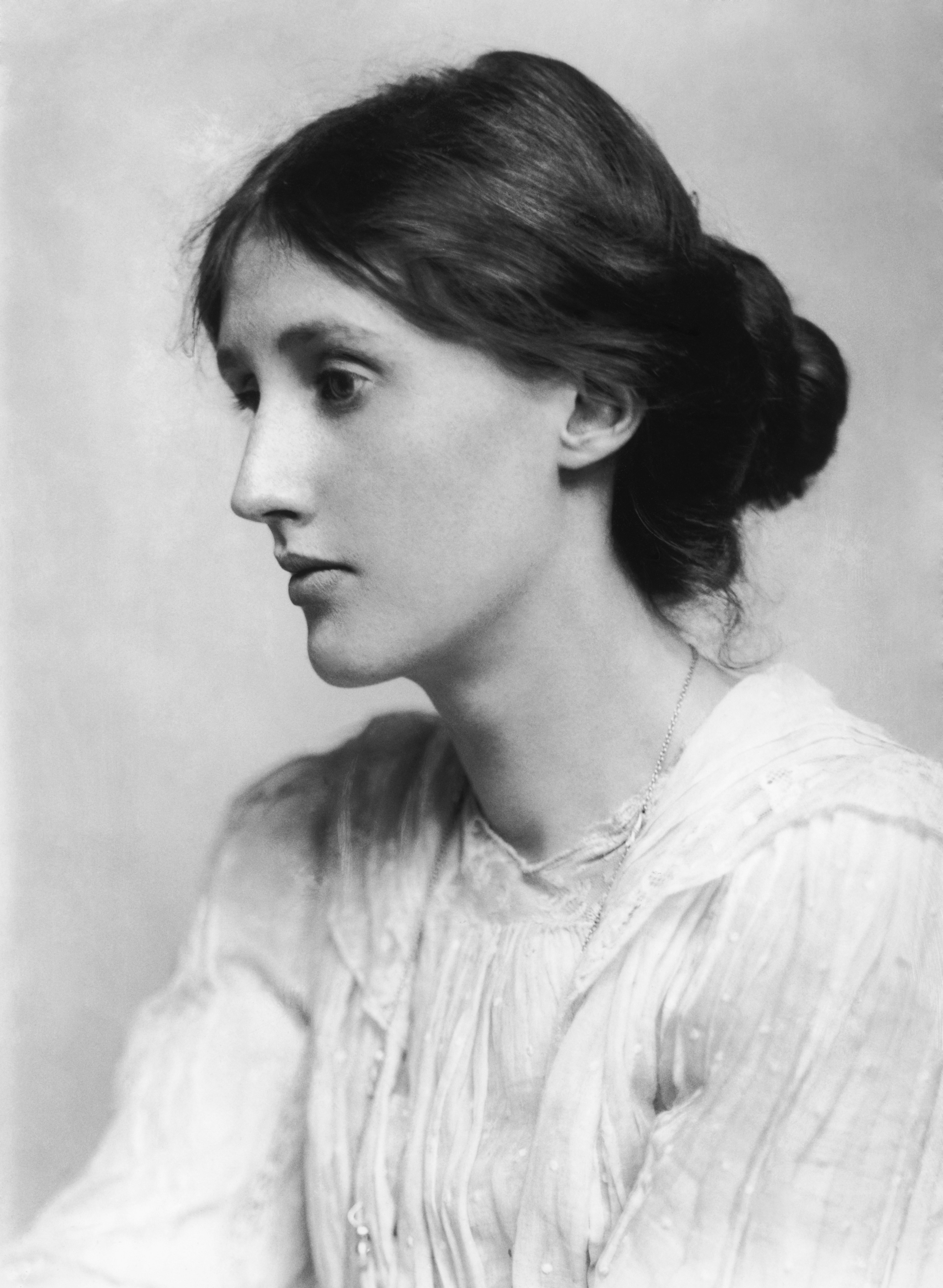
15. Virginia Woolf: “A woman must have money and a room of her own if she is to write fiction.”
– Finding space and time to write can be difficult, especially with the demands of daily life. Distractions and lack of a dedicated writing environment can hinder your productivity.
– Create a dedicated writing space. Find a quiet, comfortable place where you can write without interruptions. Set boundaries with those around you to protect your writing time. Having a specific place and time for writing can help you focus and make the most of your creative sessions.
16. E.B. White: “A writer who waits for ideal conditions under which to work will die without putting a word on paper.”
– Waiting for the perfect moment or ideal conditions to write can lead to endless procrastination. Life is rarely perfect, and waiting for the right time can mean never starting at all.
– Write under any circumstances. Embrace the imperfections of your environment and make the best of what you have. The act of writing itself can create the conditions you need.
17. James Baldwin: “You want to write a sentence as clean as a bone. That is the goal.”
– Achieving clarity in writing can be difficult. It’s easy to get lost in complex ideas and convoluted sentences, which can obscure your message.
– Strive for simplicity and precision. Focus on clear, concise language that conveys your ideas effectively. Edit ruthlessly to remove unnecessary words and ensure each sentence serves a purpose.
18. Margaret Atwood: “If I waited for perfection, I would never write a word.”
– Perfectionism can be paralysing. The desire to create flawless work can prevent you from making progress and lead to endless revisions.
– Allow yourself to be imperfect. Understand that perfection is an unattainable goal and that your work can always be improved. Aim for excellence, but accept that flaws are part of the creative process.
19. Haruki Murakami: “Pain is inevitable. Suffering is optional.”
– Dealing with criticism and rejection can be painful. Negative feedback can hurt and make you question your abilities.
– Accept pain but choose not to suffer. Use criticism as a tool for growth and improvement. Separate your self-worth from your work and view feedback as an opportunity to learn and evolve.
20. Ralph Waldo Emerson: “The only way to write is to write.”
– Overthinking can prevent you from taking action. You might spend too much time planning, researching, or worrying about your writing instead of actually doing it.
– Simply write. The act of writing itself is the best way to improve and make progress. Trust the process and let your ideas develop as you put them on paper.
While I have your attention… My debut novel, Prayer in Time of War is out now. Read more about the novel here. Order your copy today!

 davidclensy.com
Leave a comment