What’s in a name? I’ve been thinking a lot about novel titles recently. When it comes to writing a novel, choosing the perfect title can almost be as challenging as crafting the story itself. Many iconic books we know and love today started with very different working titles. Here are some interesting examples:
“War and Peace” by Leo Tolstoy
- Original Title: All’s Well That Ends Well
- Tolstoy’s epic novel about Russian society during the Napoleonic Wars was initially named after a Shakespearean play. The final title, “War and Peace,” more accurately reflects the novel’s grand themes.
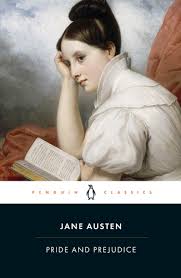
“Pride and Prejudice” by Jane Austen
- Original Title: First Impressions
- Austen’s beloved novel about the Bennet sisters and their romantic entanglements was first titled “First Impressions,” highlighting the theme of initial judgments.
“The Great Gatsby” by F. Scott Fitzgerald
- Original Title: Trimalchio in West Egg
- Fitzgerald’s classic tale of the American Dream was almost named after a character from Roman literature. “The Great Gatsby” ultimately became a more fitting and memorable title.
“To Kill a Mockingbird” by Harper Lee
- Original Title: Atticus
- Lee’s novel, which addresses serious issues of race and injustice in the American South, was initially named after its central character. The final title, however, captures the broader themes of morality and innocence.
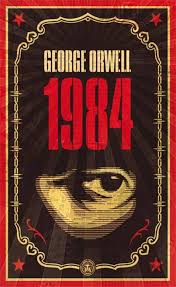
“1984” by George Orwell
- Original Title: The Last Man in Europe
- Orwell’s dystopian masterpiece was originally titled to emphasise the protagonist’s isolation. The final title, “1984,” is both stark and memorable, evoking the novel’s chilling vision of the future.
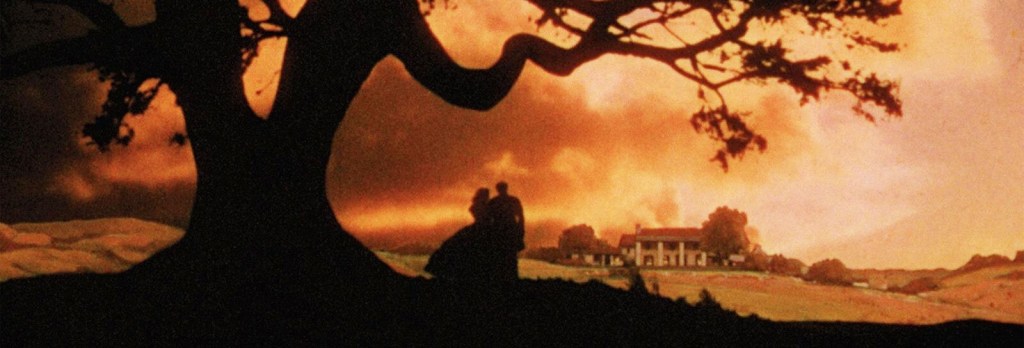
“Gone with the Wind” by Margaret Mitchell
- Original Title: Tomorrow Is Another Day
- Mitchell’s sweeping historical romance had several working titles, and the original title is still a very prominent line in the novel, but “Gone with the Wind” perfectly encapsulates the novel’s themes of loss and change.
“Of Mice and Men” by John Steinbeck
- Original Title: Something That Happened
- Steinbeck’s novella about the dreams and struggles of two displaced ranch workers was initially given a more generic title. “Of Mice and Men” is a more evocative and fitting choice.

“Lolita” by Vladimir Nabokov
- Original Title: The Kingdom by the Sea
- Nabokov’s controversial novel about obsession and manipulation was first titled with a more poetic name. “Lolita” became an iconic title that is instantly recognisable.
“Lord of the Flies” by William Golding
- Original Title: Strangers from Within
- Golding’s novel about boys stranded on an uninhabited island was initially titled “Strangers from Within,” which hints at the novel’s exploration of human nature.
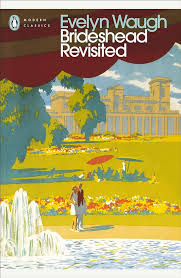
“Brideshead Revisited” by Evelyn Waugh
- Original Title: A House of the Faith
- One of my all time favourites, Waugh’s novel about memory, faith, and friendship was first titled “A House of the Faith,” reflecting its religious themes.
“Little Dorrit” by Charles Dickens
- Original Title: Nobody’s Fault
- Dickens’ novel about the struggles of the Dorrit family was initially titled “Nobody’s Fault,” which underscores the novel’s exploration of societal and personal responsibility.
“The Secret Garden” by Frances Hodgson Burnett
- Original Title: Mistress Mary
- Burnett’s classic children’s novel was first titled “Mistress Mary,” after its main character. The final title, “The Secret Garden,” better captures the novel’s sense of mystery and discovery.
My own debut novel, Prayer in Time of War is out now (I suspect I’m the only person who likes the title! I’m aware that the perhaps misleading hint of religiosity may put some people off. Preghiera – or “Prayer” in Italian – is one of the central characters). Read more about the novel here. Read more about life in wartime Naples here. Order your copy today.

 davidclensy.com
Leave a comment