Author David Clensy on how decades after their deaths, the lives of both his grandfathers continue to echo through his writing
One of my earliest memories is of getting my head stuck between the railings on the Pier Head in Liverpool. I must have only been three or four years old.
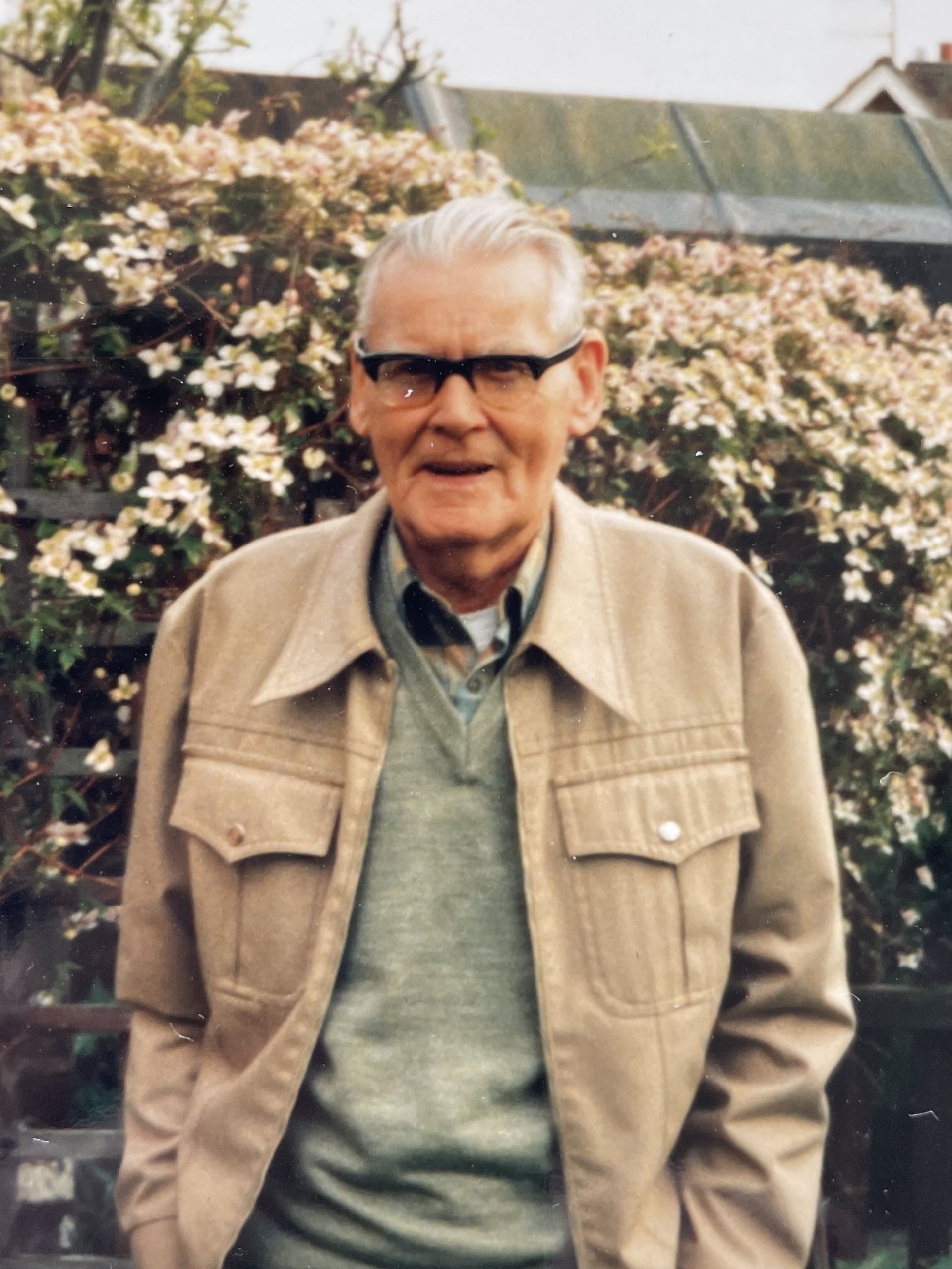
My grandad would often take me down to Woodside where we would catch the ferry over to Liverpool. For me, it was mostly about the fun of walking down the great, tube-like gangway leading to the floating landing stage – hoping the tide was low so that the walkway would be extra steep. Sometimes I would have to hold on to my grandad’s big tobacco-scented hands for fear of tripping and rolling all the way down into the river.
Then we would have the excitement of watching the ferry boat sailing towards us, cutting its way powerfully through the granite waves, its course always seeming to be at an oblique jaunty angle. Wide-eyed, I’d watch the spectacle of the ferryboatmen catching the great thick snaking rope as it was tossed from the bow to the queasy mooring. Then I’d wait, with quiet amusement to see the ferryboat barge its way against the old tractor tyres that ran along the edge of the jetty – giggling at the people on board, who were staggering like drunkards as the boat kissed the landing stage.
The men would run acrobatically up the gangplank as they lowered it with a crash on to the deck of the ferry. My grandad and I would walk aboard and climb the steep steps to find a bench on the top deck – our perch carefully chosen for the best views while avoiding the sooty flecks coming from the funnel.
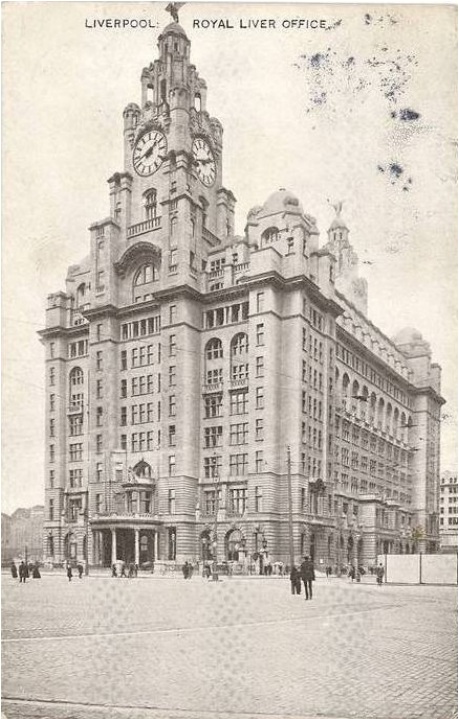
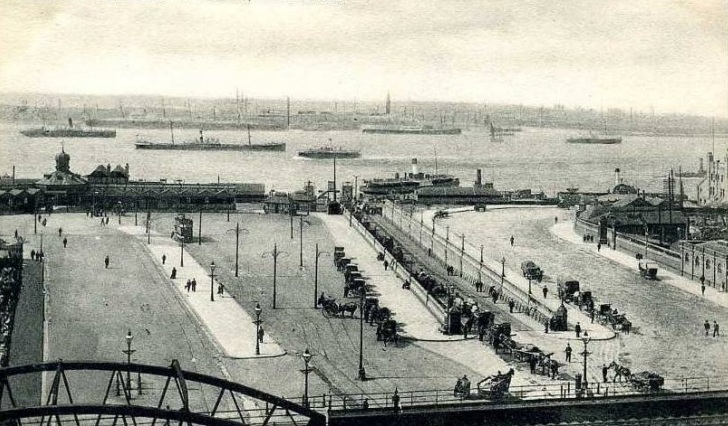
Sometimes we didn’t get off – we just took the triangular boat ride from Birkenhead to Liverpool, back across the river to Seacombe, before getting off again at Woodside. But if my grandad was feeling more energetic we would disembark at Liverpool and wander around the Pier Head, looking at the “Three Graces” – the Royal Liver Building, The Cunard Building and the Port of Liverpool Building with its great dome that made it seem more like an ancient temple than an office block.
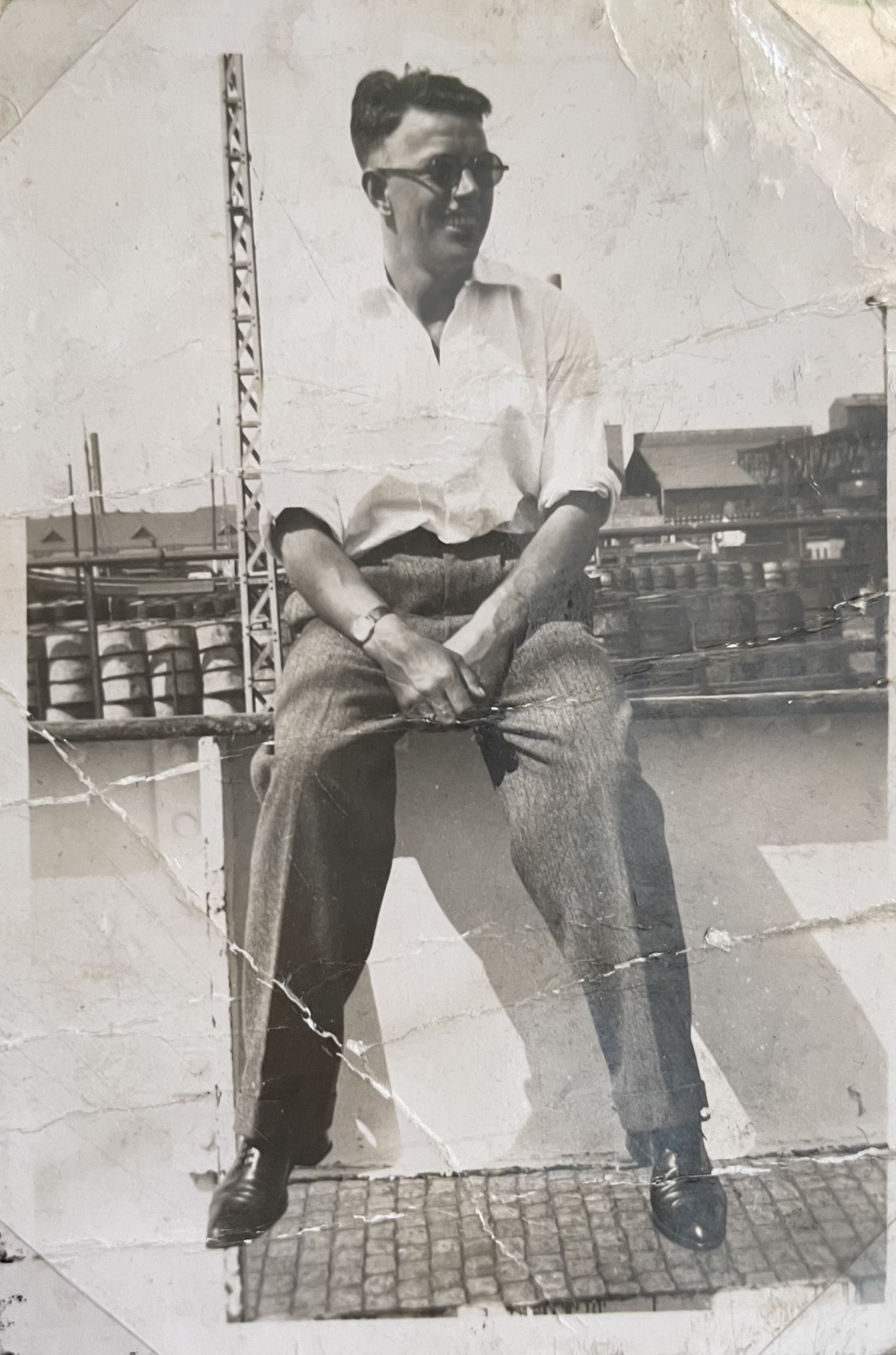
I could look along the river to the Royal Albert Dock in one direction and Princes Dock in the other. Beyond for as far as I could see, there seemed to be docks all along the Mersey. I could imagine my other grandfather – my dad’s dad – climbing aboard the great ocean-going ships he worked on as a chief engineer for the Liverpool shipping line John Holt & Company throughout the 1930s, 40s and 50s.
Even at that early age I was fascinated by the old buildings and the view across the Mersey.
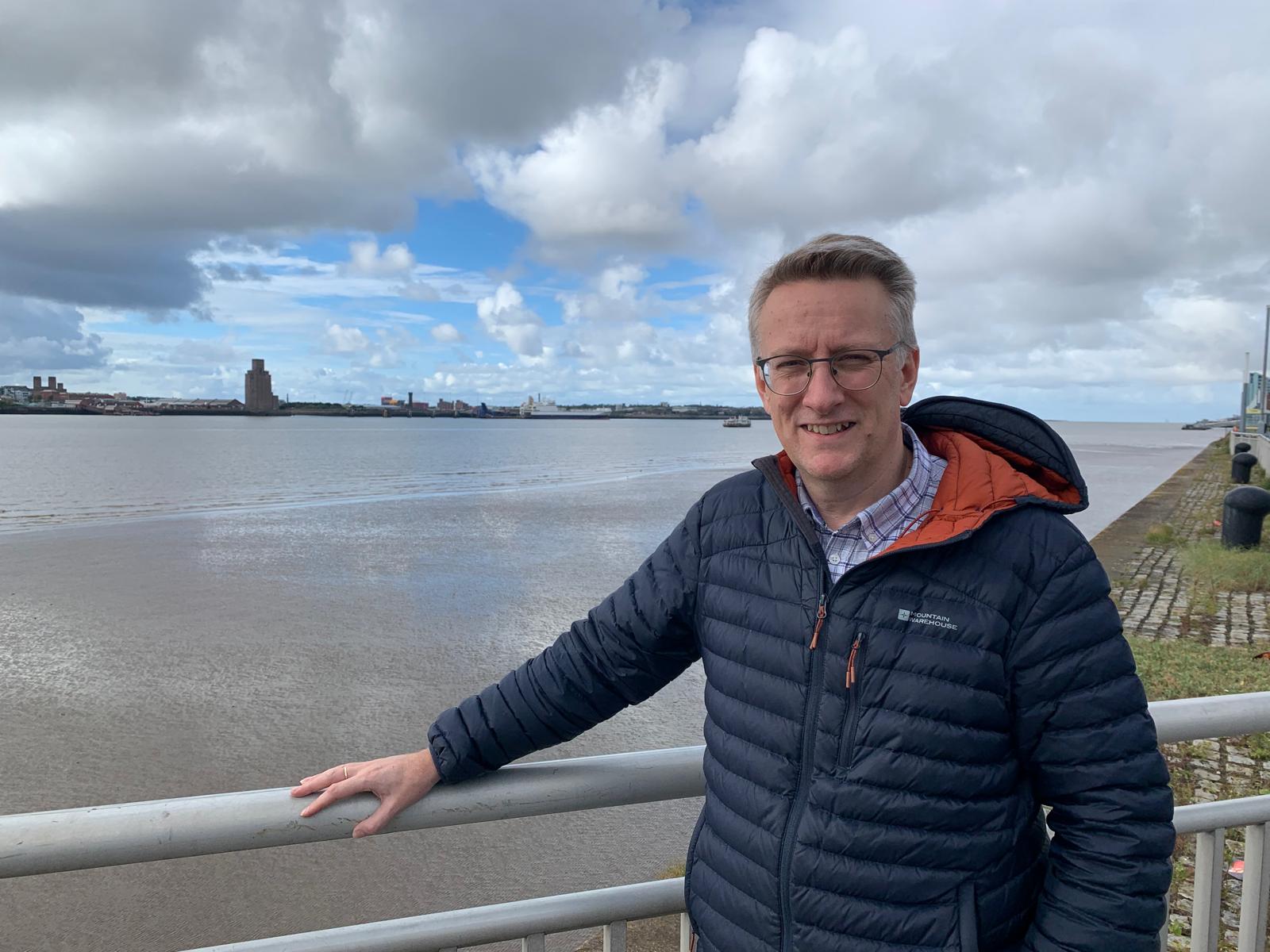
David Clensy, author of For Those In Peril
If I looked back across the river, I could see the giant cranes and warehouses of the Birkenhead ship-builders Cammel Lairds, where I could imagine my uncle hard at work, refitting a submarine in a great starburst of sparks from his welding torch. Sometimes my grandad would even point out the distant flame along the river that marked the Shell oil refinery, where he had spent the last years of his working life.
Even at that early age I was fascinated by the old buildings and the view across the Mersey. I sensed the history – the generations who had walked in the shadow of the buildings before me. Which, presumably, is how I came to have my head stuck firmly between the railings – or palings, as my grandad called them, preferring the archaic variation of the word in his warmly old-fashioned Birkenhead dialect.
As I remember, my first reaction to the situation wasn’t one of panic. I just enjoyed the view, wondering, somewhat academically how I would survive now my head was firmly trapped between these two metal bars. My grandad showed no outward signs of panic either, though there was some initial talk of phoning the fire brigade. In fact, all it took was for my grandad to lift me upside down, and with my ears facing the right way again, I was able to free myself, and cease to be a permanent part of the Liverpool waterfront.
I may have been freed from the railings, but still the Liverpool waterfront would always be a part of me – deeply ingrained into my brain, in ways I wasn’t even aware of until I started writing my new series of naval adventures for Sapere Books almost half a century after the incident with the Pier Head railings. As I wrote, my imagination conjuring and weaving together a saga of a Liverpudlian seafaring family, the landscape of my own childhood flowed effortlessly back to the surface. The voices from my childhood, caught on a Mersey wind, echoed back down the years.
All writers are shaped by their childhood, and most profoundly by the people who surround them in those formative years. But I wonder how much of my writing today is inspired by a sense of place rather than just by people? Liverpool itself could be seen to be the real star of the new series. Perhaps it’s at least partly because at the age of three or four, I spent most of an afternoon with my head stuck in the Pier Head railings, gazing out at the River Mersey.
My first novel, Prayer in Time of War (2024), was loosely inspired by my maternal grandad’s wartime experiences serving with the Cheshire Regiment in the Italian Campaign, long before he took his little grandson for a day out on the Mersey ferries. When I was offered the chance to write a five-part naval adventure series set in the Second World War for Sapere Books, I began to hear my paternal grandfather’s voice echoing down through the decades. While the Hutchinson family at the heart of my new series is fictional, one of the twins does serve on the ss John Holt alongside my grandfather, who was chief engineer on the ship during the war. So my grandfather is briefly resurrected by my pen for a cameo in the story. Later in the series, my maternal grandmother also makes a brief cameo in the story. It’s just too tempting not to conjure their lives back into existence, however fleetingly, with a few strokes of the keyboard.
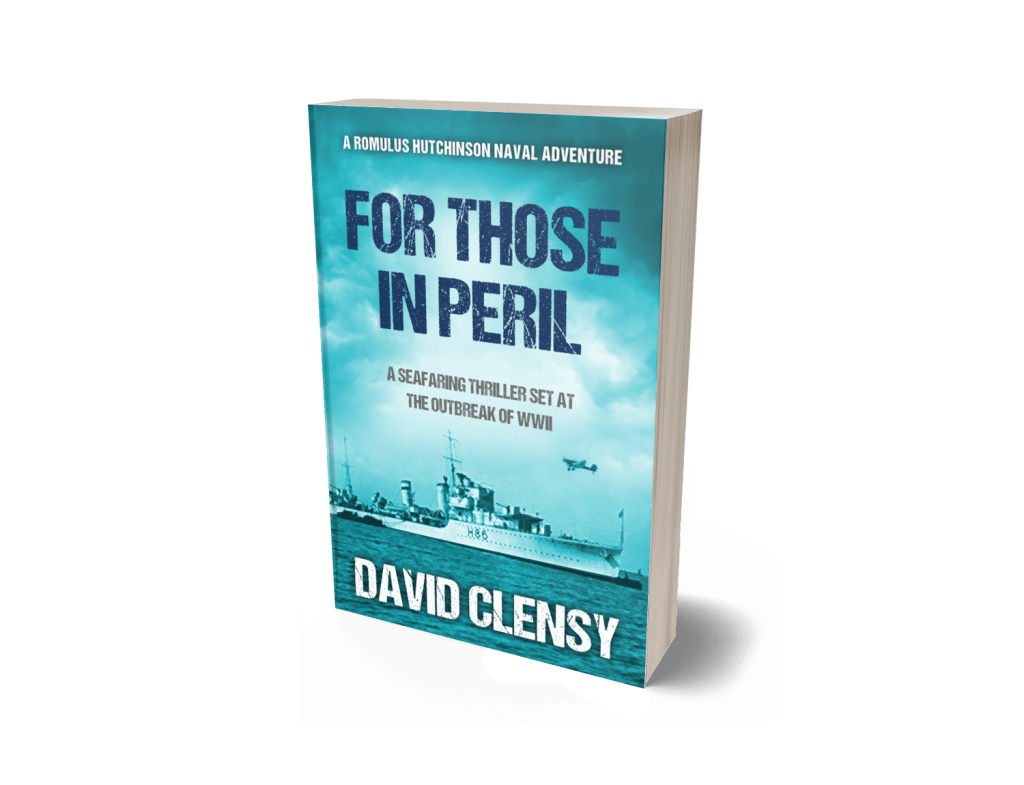
The first instalment of my new Second World War naval thriller series, For Those In Peril, is out on August 1st 2025. Our tale begins in Liverpool in 1939. Twin brothers Romulus and Remus Hutchinson (Rom and Remmie) have seafaring in their souls. Their father was the celebrated Captain William Hutchinson of the John Holt Line, himself a direct descendant of another William Hutchinson, the 18th century privateer captain, famed for capturing the French ship St Jean in 1747.
Through long days spent on the quayside, awaiting the return of their father’s ship from the Lagos run, the sounds and smells and restless spirit of the city’s maritime heritage have seeped into their veins. With the onset of war in Europe, both boys are keen to sign up and “do their part”. Remmie dreams of the day he can follow in his father’s footsteps and become a cog in the great machine of the Merchant Navy. But by contrast, Rom has set his ambitions on the Royal Navy – to take on the might of the Third Reich head on as part of the senior service. With their parents’ consent, both boys join up on their 16th birthday in October 1939 – Rom as an RNVR sub-lieutenant on a Royal Navy destroyer, his brother a deckhand with his father’s employer, John Holt & Company.
FOR THOSE IN PERIL is the first book in the Romulus Hutchinson Naval Adventure series: action-packed, authentic historical adventures following twin brothers serving with the Royal Navy and the Merchant Navy during the Second World War. It will be available in paperback and Kindle formats from August 1.
 davidclensy.com
Leave a comment