Tucked away in the windswept Orkney Islands, Scapa Flow is more than just a natural harbour – it is a place steeped in maritime history, a silent witness to the tides of war and peace. While its strategic importance dates back centuries, it was during the Second World War that Scapa Flow truly cemented its place in naval legend.
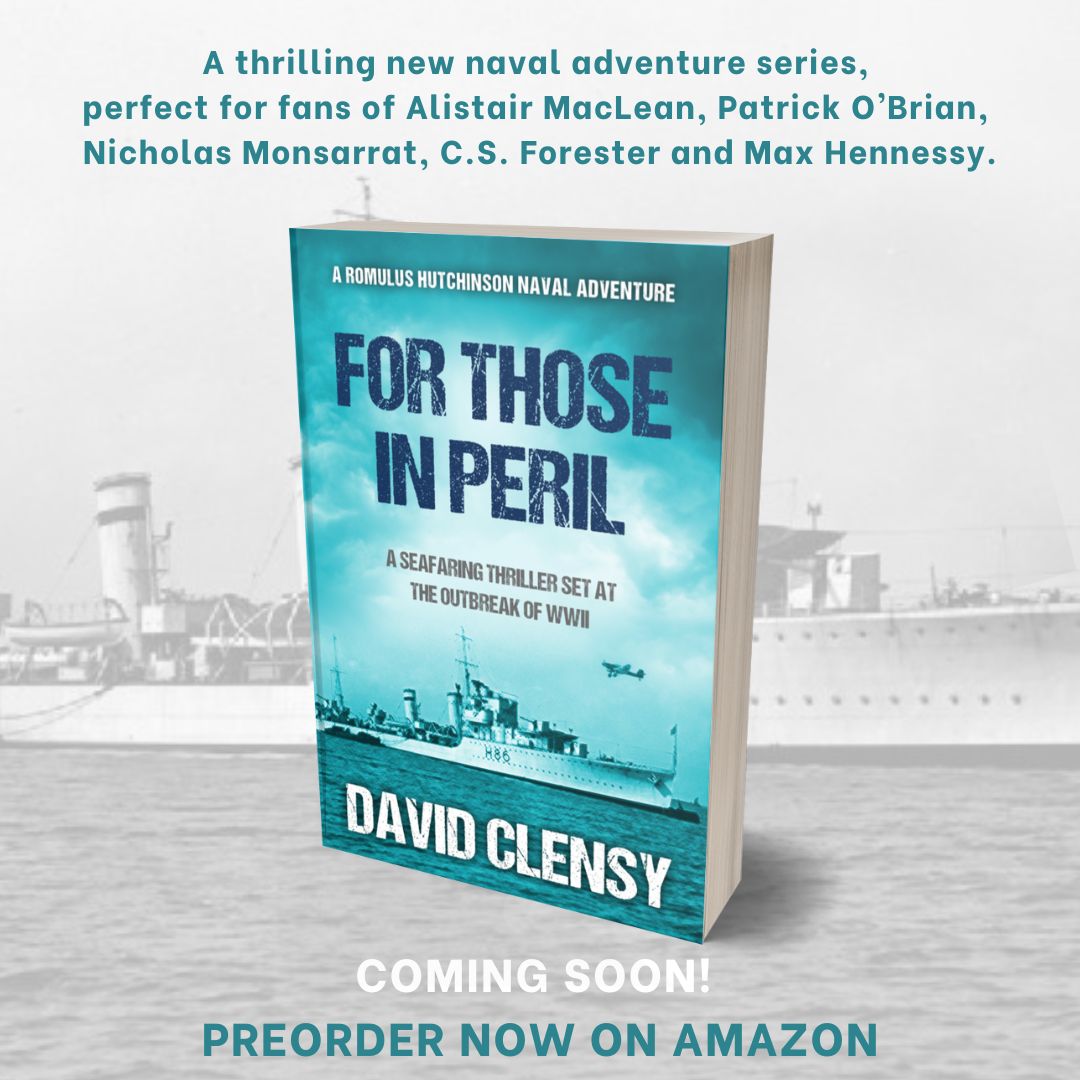
In my forthcoming book – For Those In Peril (released August 1st 2025, preorder for Kindle now) – Scapa Flow is one of the most distinctive landscapes against which the action is set. Our hero in the story, Romulus Hutchinson is a young sub-lieutenant in the RNVR, getting to grips with life on a Royal Navy destroyer in the first months of the Second World War. He faces action everywhere from the Norwegian Campaign to the evacuation of Dunkirk. Scapa Flow becomes a sort of second home for him. In this blog I’ve taken a broader look at the significance of this extraordinary place.
By the outbreak of WWII in 1939, Scapa Flow had already served as the Royal Navy’s main fleet anchorage during the First World War. Its vast, sheltered waters made it an ideal base for the Home Fleet, offering both protection and proximity to the North Sea and Atlantic shipping lanes.
However, the early days of the war exposed a critical vulnerability. On the night of 14 October 1939, the German U-boat U-47, under the command of Günther Prien, slipped through the poorly defended eastern approaches and torpedoed the battleship HMS Royal Oak. The ship sank within minutes, taking 835 men with her – a devastating blow to British morale and a stark reminder of the need for stronger defences.
Reinforcing the Flow
In response to the Royal Oak tragedy, the Royal Navy acted swiftly. Churchill Barriers – causeways linking several of the Orkney Islands – were constructed to block the eastern entrances. These barriers, still in use today, were built by Italian prisoners of war and stand as both a defensive measure and a poignant historical monument.
Anti-submarine nets, boom defences, and coastal batteries were also installed, transforming Scapa Flow into a near-impenetrable fortress. From this stronghold, the Royal Navy launched operations to protect Atlantic convoys, intercept German surface raiders, and maintain control of the northern seas.
A Hub of Naval Operations
Throughout the war, Scapa Flow remained a hive of activity. It was from here that the Home Fleet set out to hunt the Bismarck, and where ships returned for repair and resupply after gruelling missions. The anchorage also played a key role in the Arctic convoys, which carried vital supplies to the Soviet Union through perilous, icy waters.
Despite its remote location, Scapa Flow was never far from the action. It served as a staging ground for major operations and a sanctuary for battered vessels. Its cold, grey waters bore witness to the comings and goings of some of the most powerful warships of the era.
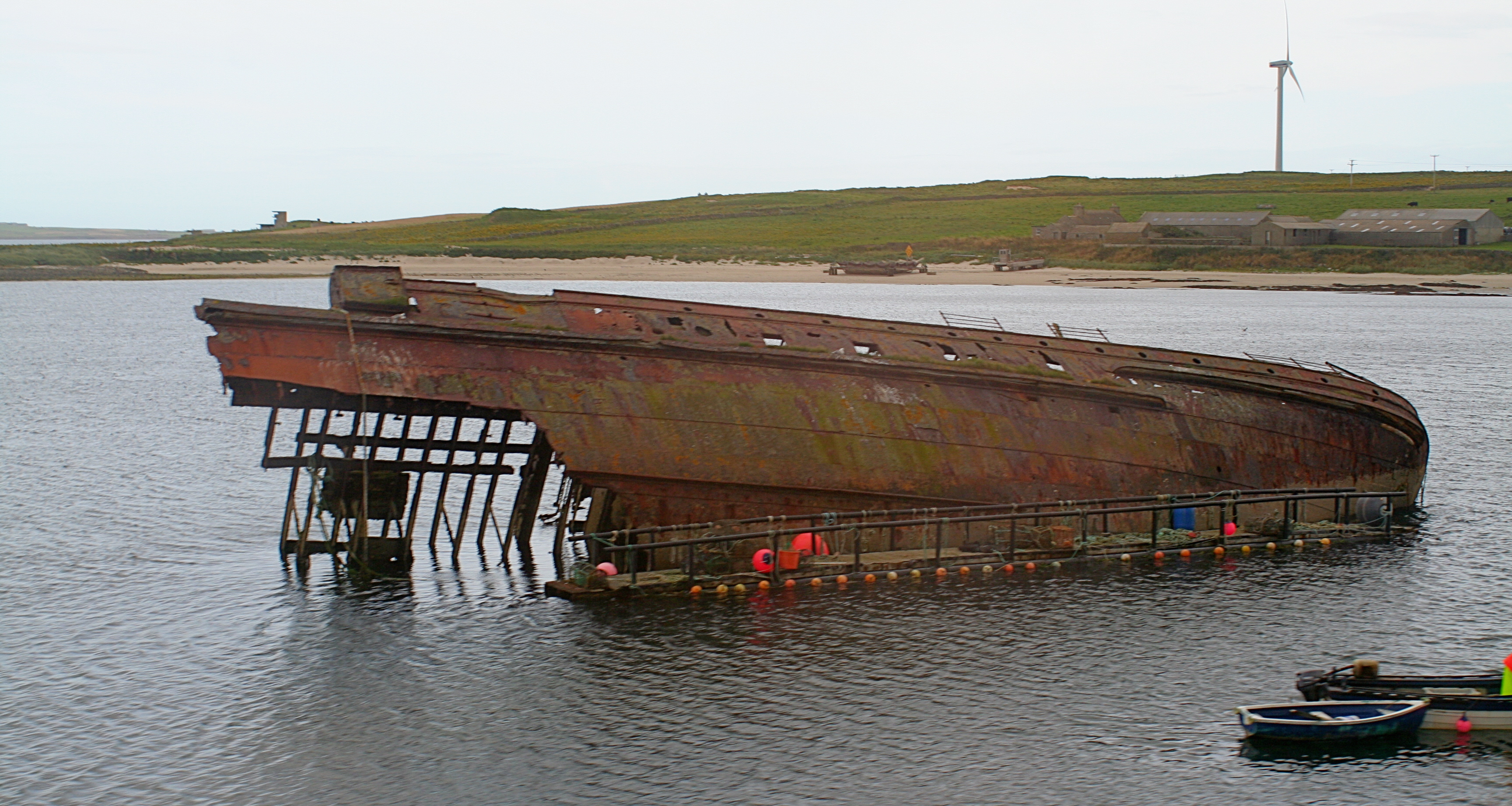
Today, Scapa Flow is a place of reflection. The wreck of HMS Royal Oak remains a war grave, marked by a white buoy and visited each year by Royal Navy divers. The Italian Chapel, built by PoWs who helped construct the Churchill Barriers, stands as a symbol of hope and humanity amidst the horrors of war.
For historians, divers, and visitors alike, Scapa Flow offers a unique glimpse into Britain’s naval past – a place where the echoes of war still linger beneath the waves.
FOR THOSE IN PERIL is the first book in the Romulus Hutchinson Naval Adventure series: action-packed, authentic historical adventures following twin brothers serving with the Royal Navy and the Merchant Navy during the Second World War. It will be available in paperback and Kindle formats from August 1.
 davidclensy.com
Leave a comment