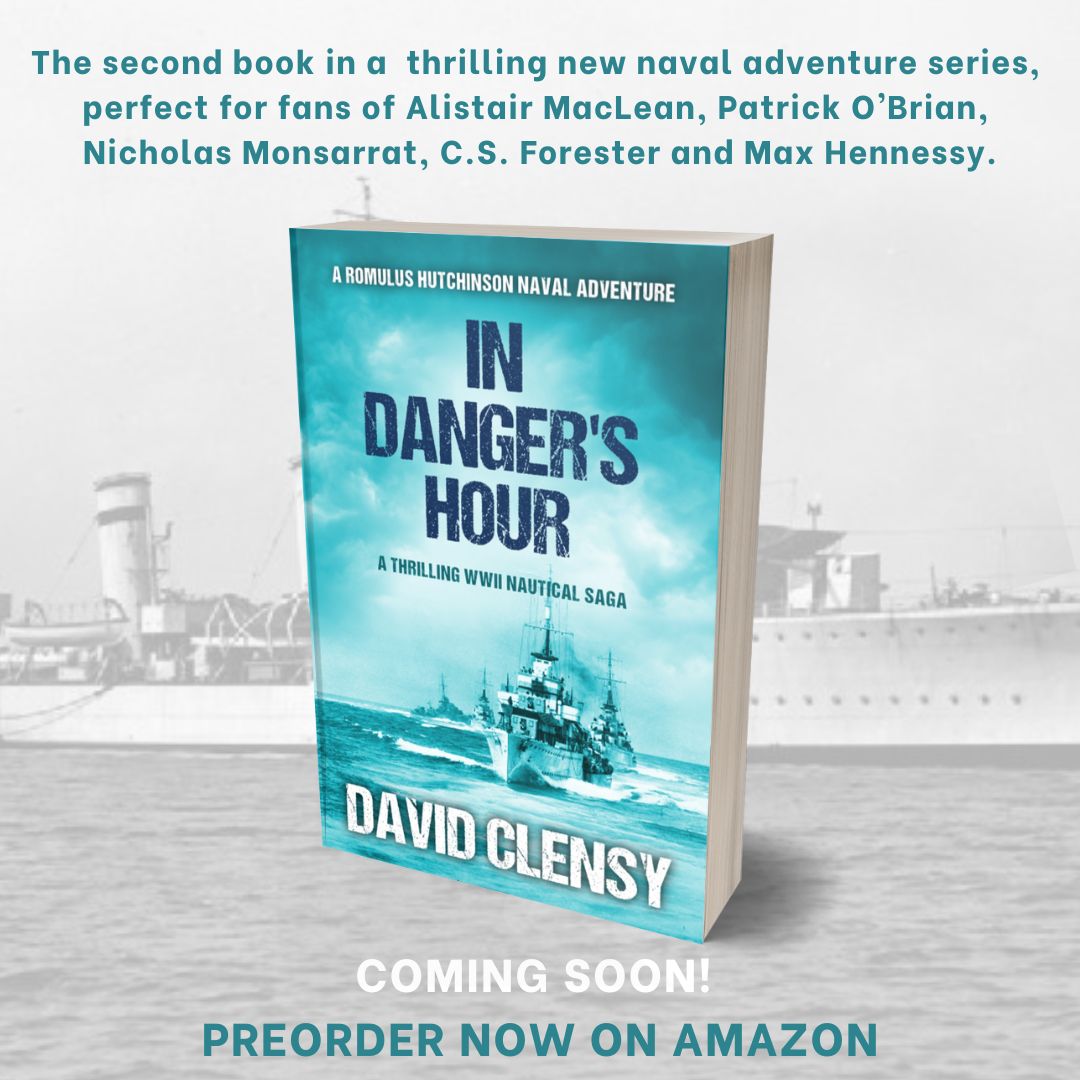
November 2025 sees the release of In Danger’s Hour (preorder for Kindle now), the second part of the Romulus Hutchinson Naval Adventure Series. Following their earlier adventures in For Those In Peril, in this second instalment, we follow the twins’ service throughout 1941, from the Mediterranean to the coast of west Africa. But back home, Liverpool is devastated by the city’s most intense bombings of the war. In this blog, I take a close look at Liverpool’s “May Blitz”.
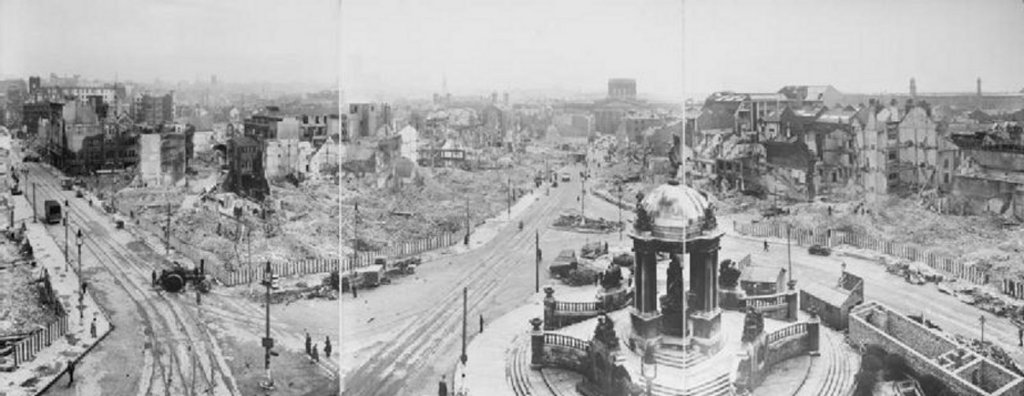
In the first week of May 1941, Liverpool endured one of the most intense and destructive bombing campaigns of the Second World War. Known as the May Blitz, this seven-day assault by the German Luftwaffe left the city scarred, its people shaken, and its role in the war effort more vital than ever.
Liverpool had long been a strategic target. As Britain’s principal transatlantic port, it was the gateway for supplies, troops, and equipment from North America. The city’s docks handled the majority of war material entering the country, making it indispensable to the Allied cause. The Germans knew this, and they struck with brutal precision.
Relentless raids
Between 1 and 7 May, Merseyside was bombed almost every night. The raids were relentless, with hundreds of aircraft dropping thousands of high explosive bombs and tens of thousands of incendiaries. The Luftwaffe’s aim was clear: to cripple the port, disrupt the flow of supplies, and break the spirit of the people. But Liverpool, though battered, refused to buckle.
The damage was staggering. Nearly 1,900 people were killed, 1,450 seriously injured, and around 70,000 made homeless. Bootle, a district just north of the city centre, was particularly hard hit. Of its 17,000 houses, nearly half were destroyed or damaged. Fires raged across the city, fuelled by incendiaries and the flammable cargoes stored in dockside warehouses. One of the most devastating incidents occurred when the SS Malakand, loaded with munitions, exploded in Huskisson Dock. The blast was so powerful that the ship’s anchor was hurled more than a mile away, landing near Bootle General Hospital.
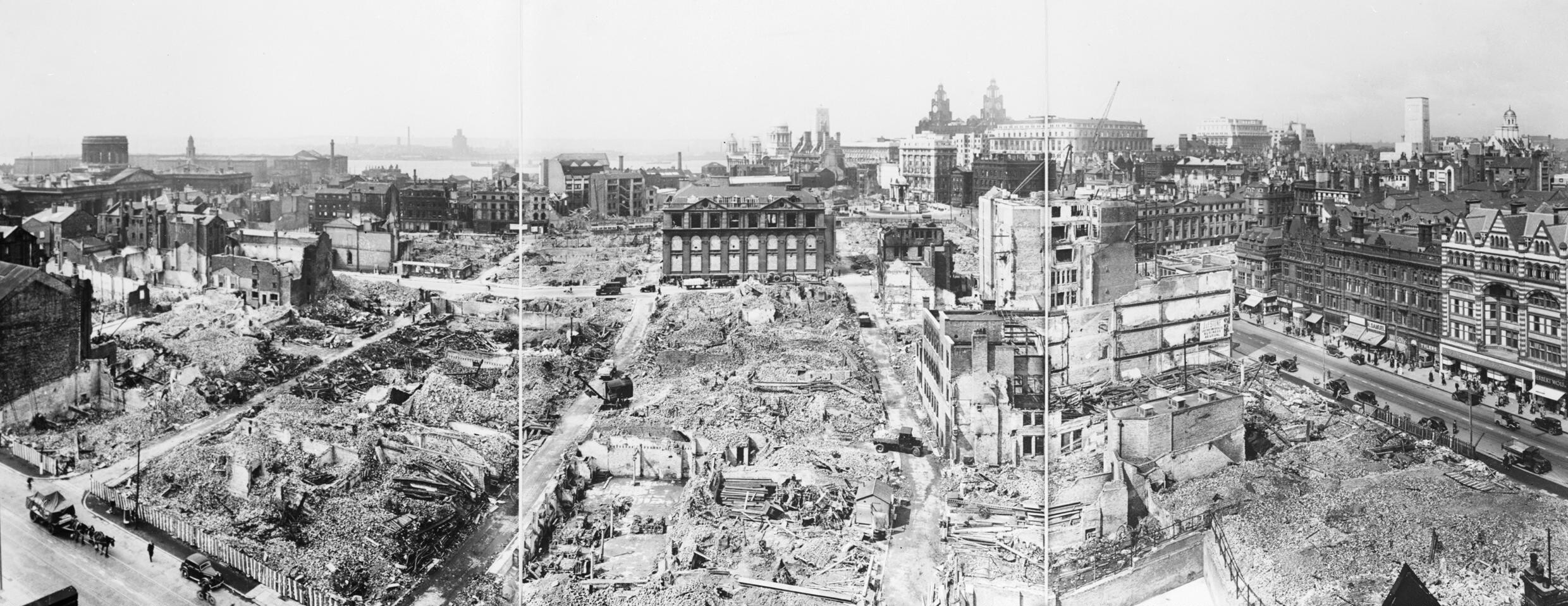
The city’s emergency services were stretched to their limits. Air Raid Precautions wardens, firefighters, and volunteers worked tirelessly to rescue survivors, extinguish fires, and maintain order. Many of them paid the ultimate price. Twenty-eight ARP wardens and members of the Women’s Voluntary Services were killed during the raids, with many more injured.
Intolerable conditions
Communal air raid shelters, hastily constructed in the early months of the war, were overwhelmed. Conditions inside were described as intolerable, with overcrowding, poor sanitation, and the constant threat of collapse. Yet these shelters became places of solidarity, where neighbours supported one another through the terror of the night.
Despite the destruction, the May Blitz failed to achieve its strategic aims. The docks, though damaged, continued to operate. Ships still arrived, cargoes were unloaded, and the lifeline to North America remained intact. The resilience of Liverpool’s people was as vital as any military defence. Their determination ensured that the city remained a cornerstone of Britain’s war effort.
In Danger’s Hour is released in November 2025, in paperback and Kindle formats (preorder for Kindle now), the second part of the Romulus Hutchinson Naval Adventure Series – action-packed, authentic historical fiction following twin brothers serving with the Royal Navy and the Merchant Navy during the Second World War.
 davidclensy.com
Leave a comment