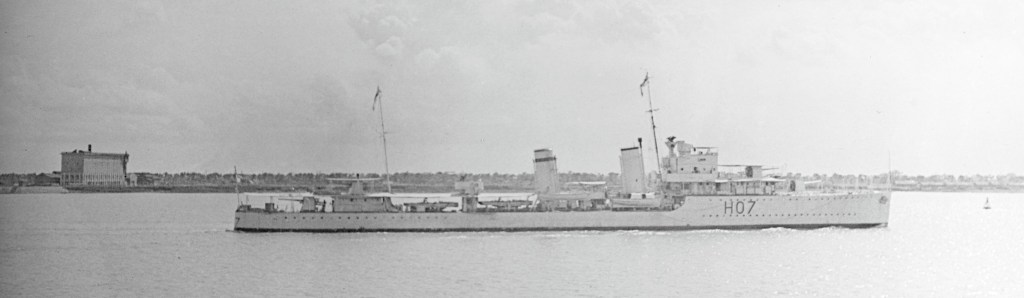
In the spring of 1941, the British and Commonwealth forces in Greece faced a grim reality. The German invasion, launched under Operation Marita, had swept through the Balkans with alarming speed. By mid-April, it was clear that the Allied position on the Greek mainland was untenable. What followed was Operation Demon, a hastily organised and perilous evacuation led by the Royal Navy, which saw thousands of troops rescued under constant threat from the air and sea.
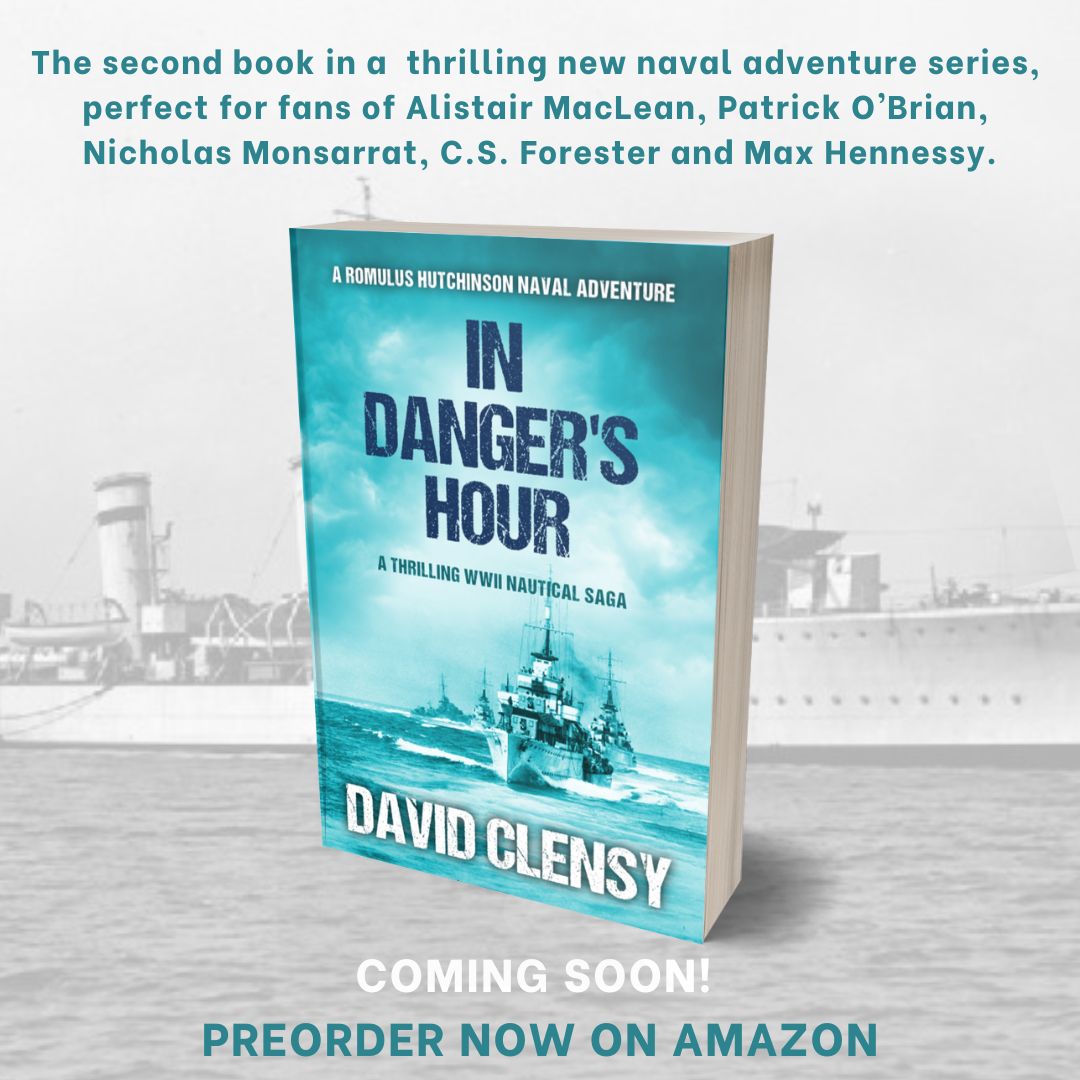
November 2025 sees the release of In Danger’s Hour (preorder for Kindle now), the second part of the Romulus Hutchinson Naval Adventure Series. Following their earlier adventures in For Those In Peril, in this second instalment, we follow the twins’ service throughout 1941, from the Mediterranean to the coast of west Africa.
For our central character Rom, this means serving on HMS Defender, taking on the perils Operation Demon.
Evacuation of Allied forces
The operation began in earnest on 24 April 1941, although planning had started days earlier. The original intention was to begin evacuations on 29 April, but the rapid advance of the Germans forced a change of plan. The Luftwaffe had already devastated the port of Piraeus, destroying the British merchant vessel Clan Fraser, which was loaded with explosives. The resulting blast obliterated ten other ships and rendered the port unusable. This left the Royal Navy with the daunting task of evacuating troops from smaller, poorly equipped ports along the southern coast of Greece.
Admiral Sir Andrew Cunningham, commanding the Mediterranean Fleet, was given charge of the operation. The evacuation was to be carried out under cover of darkness, as German air superiority made daylight operations suicidal. Transport vessels could only approach the coast after nightfall and had to be clear by 3am the following morning. Despite these constraints, the Royal Navy managed to extract more than 50,000 troops from Greece, ferrying them to safety in Crete and Egypt.
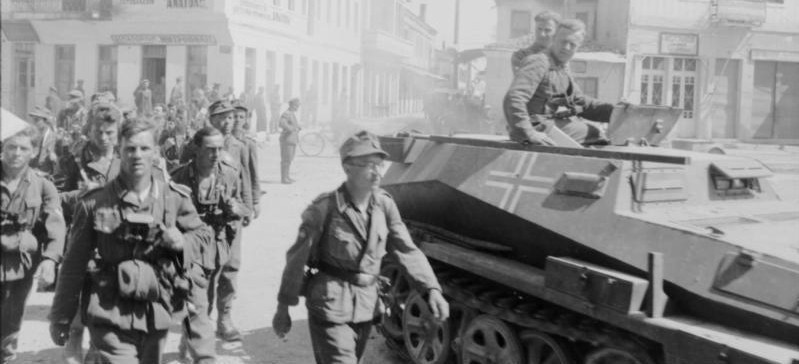
HMS Defender
Among the ships involved was HMS Defender, a D-class destroyer that had already seen action in the Mediterranean. Defender played a crucial role in the evacuation, operating in dangerous waters and under constant threat from enemy aircraft. She was tasked with escorting troop transports and assisting in the embarkation of soldiers from remote beaches. Her speed and manoeuvrability made her ideal for these missions, but they came at a cost.
During the course of Operation Demon, Defender was involved in multiple runs between Greek ports and Allied staging areas. She helped evacuate troops from Kalamata, one of the last embarkation points, where chaos reigned as German forces closed in. The destroyer’s crew worked tirelessly to bring aboard soldiers, many of whom had marched for days with little food or rest. The ship’s decks were crammed with exhausted men, and her crew faced the constant danger of air attack.
Operation Demon was not without its tragedies. Several ships were lost, and many lives were sacrificed in the effort to save others. Yet it stands as one of the most daring and successful evacuations of the war, carried out under extreme pressure and with limited resources. The Royal Navy’s role was pivotal, and ships like HMS Defender exemplified the courage and determination that defined the operation.
In Danger’s Hour is released in November 2025, in paperback and Kindle formats (preorder for Kindle now), the second part of the Romulus Hutchinson Naval Adventure Series – action-packed, authentic historical fiction following twin brothers serving with the Royal Navy and the Merchant Navy during the Second World War.
 davidclensy.com
Leave a comment