
Ahead of the start of the UK’s National Year of Reading 2026, David Clensy shares his passion for the nation’s under-resourced public libraries
The library was a haven for me at school. While other children spent their lunchtimes kicking a ball around the playground or clustering in gossiping gangs – menacing each other, or being menaced, in roughly equal measure – I would often retreat to the library.
The grey-clad comprehensive where I spent my formative years had the unusual addition of a public library, created in the old sixth form block after the sixth form had closed in favour a central sixth form college down the road. In an enlightened move, our headteacher allowed pupils to use this public library during the school day. Hardly anybody did. But I was one of the few exceptions.
To me, the arrival of this shiny new facility was almost magical – offering free access to shelves of books and crisp new editions of the latest newspapers and periodicals. I wasn’t particularly bullied at school. I was quiet and unexceptional enough to go under the radar most of the time. So I wasn’t hiding behind the library’s shelves. But I saw in its books and newspapers an escape from the otherwise bland surroundings.
Each lunchtime, I would work my way through half-a-dozen newspapers, precociously reading the international news, building a sense of the world and its moving parts that my “comprehensive” education would otherwise have wholly failed to deliver. Then I would choose a book that took my fancy from the shelves, and sit and read – half an hour of escape before the afternoon’s lessons; half an hour of a different existence – I was a soldier in the Second World War; I was one of King Arthur’s knights; I was a small time gangster in a 1930s seaside resort.
I had always had a passion for libraries – having been taken to Birkenhead’s grand old central library as a toddler, wandering wide-eyed though the floor polish-scented children’s library, with its echoing, vaulted ceiling and its church-like stained glass windows.
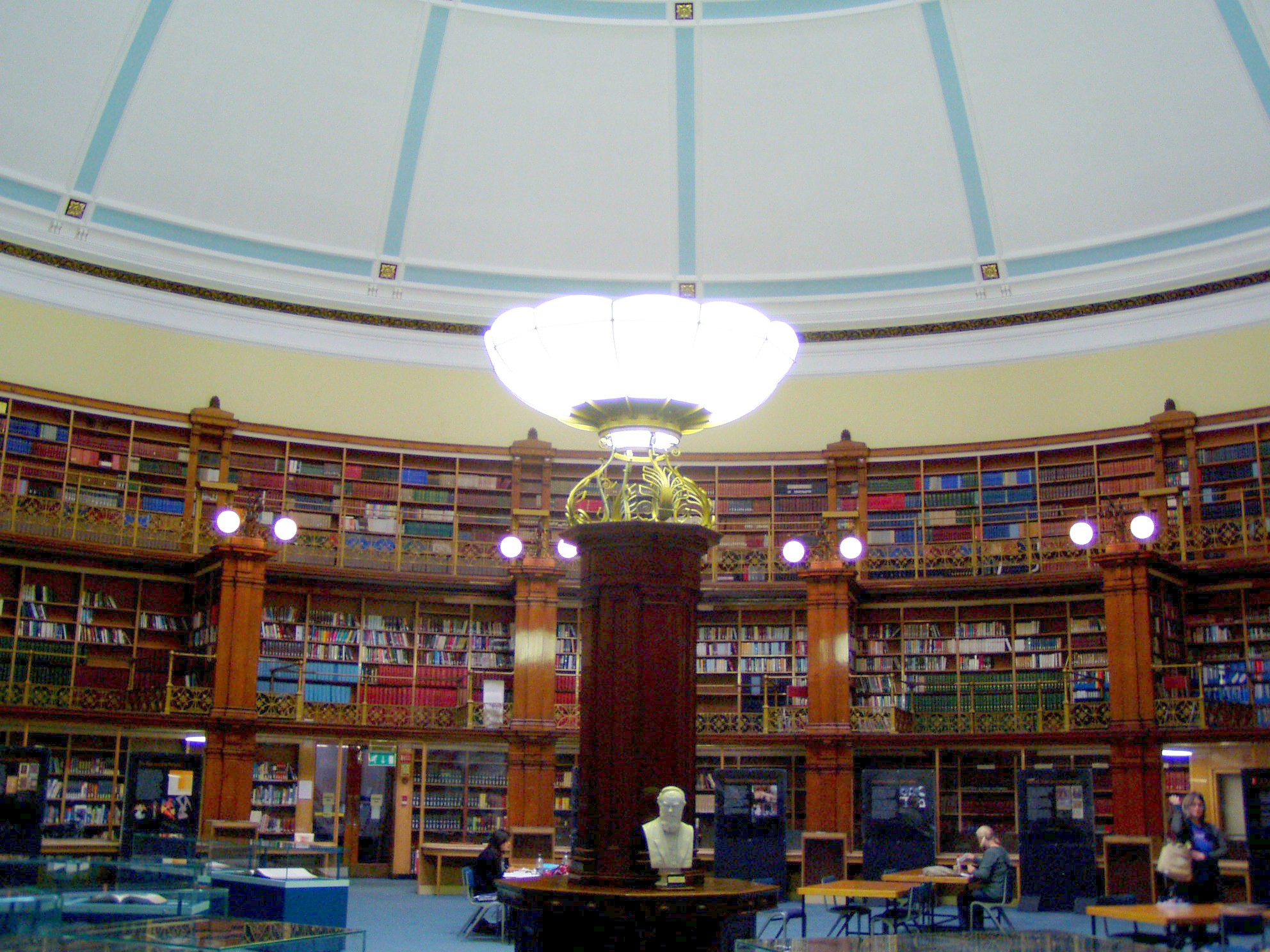
So to have a new library delivered to the middle of my long school days was an indescribable joy, which confirmed my love for public libraries as a permanent part of my psychological make-up. When I went on to study for my degree in Liverpool, it was both the university’s library, but more so the city’s main public library with its historic Picton Reading Room that became my preferred place of study. Even today, as I rapidly progress towards my half century, I am the proud holder of a membership card for my local library.
Don’t we all love libraries and all they stand for? So, as a society, why are we so blasé about the demise of these extraordinary public provisions that bring culture and learning freely to all?
In towns and cities across England, public libraries are quietly vanishing. Once vibrant centres of learning, creativity and community, they now face relentless budget cuts, dwindling staff and shuttered doors. As a reader and conscientious citizen, it’s hard not to feel a deep sense of loss at what this crisis suggests about our values.
The story begins with funding. Since 2010–11, councils in England have slashed their budgets for libraries, culture, heritage and tourism by nearly £470 million, dropping from approximately £1.6 billion to just over £1.1 billion in 2023–24. Public library funding alone has seen a real‑terms reduction of about £232 million – and that climbs to £329 million once inflation is factored in. These are not granular local decisions, they spell a national retreat from investment in public education and communal knowledge.
The consequences are stark. Government data reveals that between 2014 and 2023, more than 180 public libraries in England have closed permanently (not including the slashing of mobile libraries). The worst year was 2017, losing 35 libraries in a single year, with another nine shuttered in 2023. Since 2016, a staggering 125 libraries have physically closed in England, while a further 100 have transitioned to volunteer‑run operations.
Behind every closure is a community diminished. It’s often the poorest neighbourhoods that bear the brunt. Libraries in deprived areas are four times more likely to be shut than those in affluent districts. With services squeezed, staff roles pared back by 10–20 per cent, book budgets slashed, programme funding withdrawn and opening hours curtailed, libraries that remain open bear little resemblance to those of old.
If you close libraries, nobody dies – but society suffers.
Michael Rosen
Perhaps that’s why authors and advocates are speaking out. Former Children’s Laureate Michael Rosen captured the dismay when he told BBC Breakfast in 2024 that watching public libraries disappear fills him with “horror and sadness”. He called the closures “a soft target” and warned, “If you close libraries, nobody dies – but society suffers.” His words ring with a stark truth: for those who rely on free, safe civic spaces, libraries are a lifeline.
Writers from across the spectrum have long recognised their importance. Alan Bennett put it most succinctly, when he said: “Closing a public library is child abuse, really, because it hinders child development.”
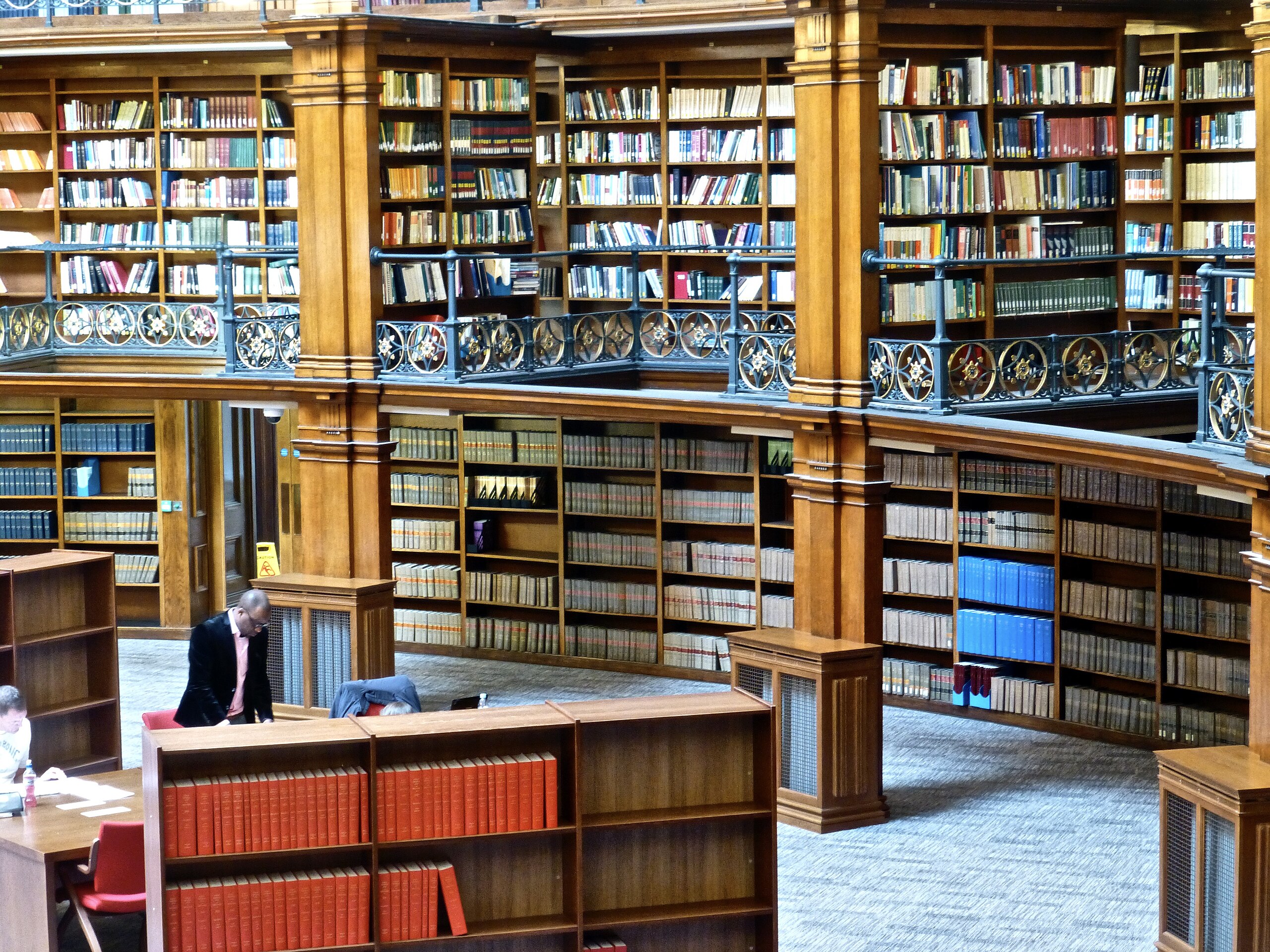
But libraries do not just provide free access to learning. Today they play an increasingly critical civic role. They offer free internet access for job applications, spaces to warm up for those struggling with energy bills, homework support for children, and quiet study zones for students. In winter, they transform into “warm banks” for those in fuel poverty. In summer, they run literacy programmes, workshops and creative events, bringing communities together. Without them, those opportunities fade.
And while visits surged – rising 71 per cent between 2021–22 and 2022–23 according to The Chartered Institute of Public Finance and Accountancy (CIPFA) – councils continue to squeeze budgets, even though each closure weakens the social fabric.
We are at a crossroads. Without urgent action, the UK risks losing more than buildings and books. We risk losing educational bridges, equitable access, and the intangible benefits of shared civic spaces.
If we lose them, we will have lost what makes a society curious, cohesive and compassionate. As John F Kennedy once said of libraries in the United States: “If this nation is to be wise as well as strong… we need more good books in more public libraries”. That aspiration matters more now than ever.
For me personally, it’s no exaggeration to claim that those lunchtimes in the library shaped my life. It’s no coincidence that my career involved more than 20 years as a newspaper journalist, before turning to the allure of writing fiction as a novelist. All those grey lunchtimes, lost in newspapers, periodicals and novels, must have had some effect. We might do well to remember the words Joni Mitchell sang to a generation of idealists before us: “Don’t it always seem to go, you don’t know what you’ve got ‘til it’s gone.” When you consider the benefits public libraries bring to society, do we really want them to be a thing of the past?
 davidclensy.com
Leave a comment