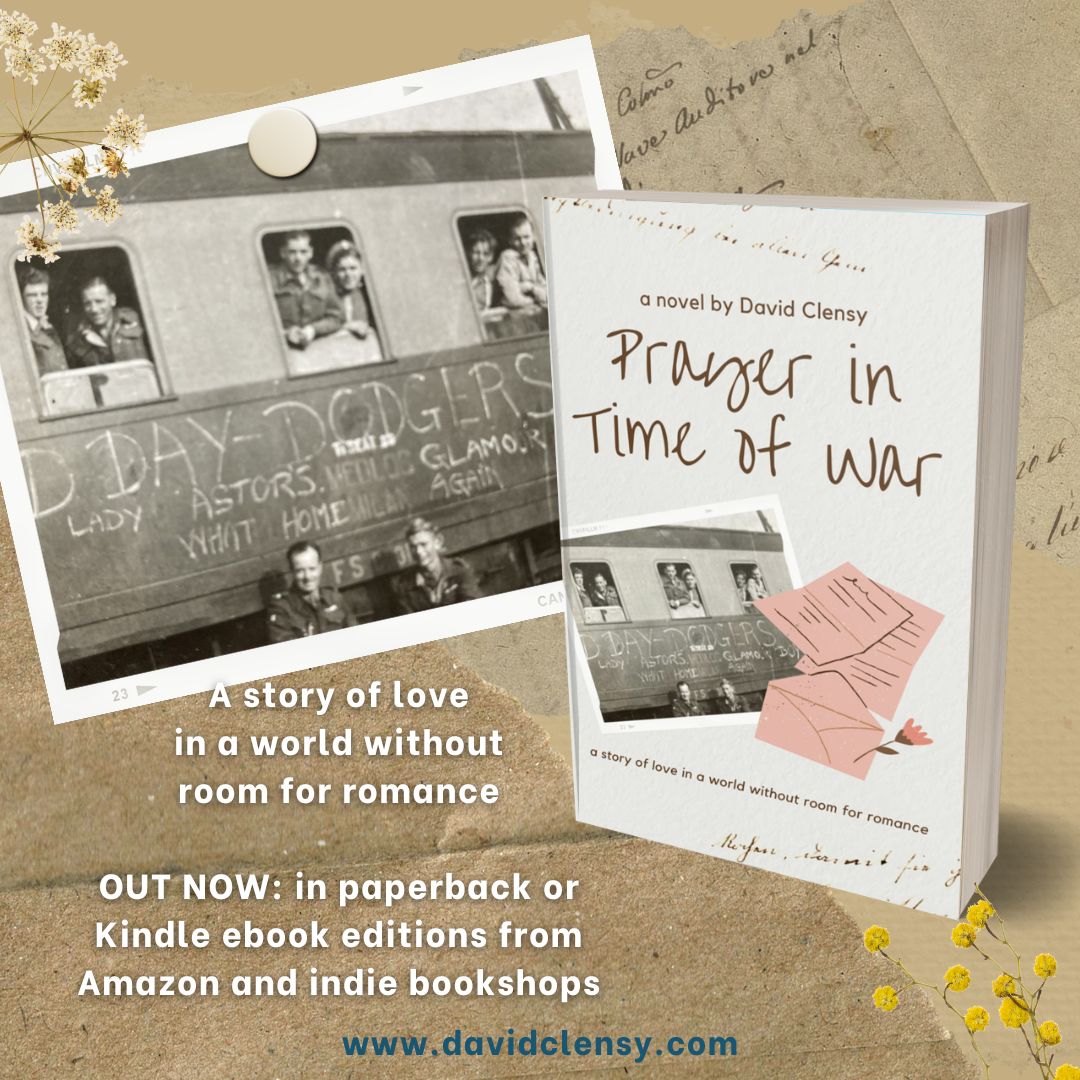
Earlier this year, I released my debut novel Prayer in Time of War. It tells the story of elderly veteran Ernie as he returns to an Italy transformed from his experiences during the Second World War, in search of the girl he left behind in the back streets of Naples half a century before. In this blog, I wanted to highlight ten fascinating facts about life in Naples in the period, that we should all know about.
The Four Days of Naples
Before the Allies even arrived, the people of Naples staged a remarkable uprising against the German occupiers from 27 to 30 September 1943. This event, known as the Four Days of Naples, saw ordinary citizens, including women and children, take up arms to try to drive out the Germans.
Destruction Left Behind
When the Germans retreated, they left Naples in a dire state. They destroyed food factories, polluted the water supply, and burned the city’s archives. The Neapolitans had to start rebuilding almost immediately after the Allies arrived on 1 October 1943.
The Hidden Treasures
During the occupation, many of Naples’ priceless artworks and historical artefacts were hidden to protect them from destruction. Some were concealed in underground bunkers and secret locations, preserving them for future generations.
Operation Avalanche
The Allied invasion of Italy, known as Operation Avalanche, included the landing at Salerno, which was a crucial step towards the liberation of Naples. This operation faced fierce resistance but ultimately paved the way for the Allies to advance north.
The Role of the Mafia
Interestingly, the local Mafia played a significant role during the occupation. They helped the Allies by providing intelligence and sometimes even maintaining order in the chaotic post-liberation period. This cooperation was a strategic move to gain favour with the new rulers.
The Bombing Raids
Naples was heavily bombed by the Allies before its liberation. The city endured around 200 air raids, making it one of the most bombed cities in Italy during the war. These raids caused significant damage and loss of life.
The Medical Miracle
Amidst the chaos, Naples became a centre for medical innovation. Allied doctors and nurses set up makeshift hospitals and introduced new medical techniques, including the use of penicillin, which saved countless lives.
The Cultural Revival
Despite the destruction, Naples experienced a cultural revival during the occupation. Allied soldiers and locals organised concerts, theatre performances, and art exhibitions, bringing a sense of normality and hope to the war-torn city.
The Underground Resistance
Even before the Four Days of Naples, there was an active underground resistance movement. These brave individuals carried out sabotage missions, gathered intelligence, and helped Allied prisoners of war escape.
The Aftermath
The liberation of Naples was a turning point in the Italian Campaign. It provided the Allies with a strategic port and a base of operations for further advances into Italy. The city’s recovery and resilience became a symbol of hope and determination.
Prayer in Time of War is out now. Read more about the novel here. Read about the 1944 eruption on Vesuvius here. Or order your copy today.


 davidclensy.com
Leave a reply to davidclensy Cancel reply