Ahead of the publication of The Restless Wave, David Clensy takes a closer look at the tradition of amateur theatricals aboard Royal Navy ships
Life aboard a Royal Navy vessel during the Second World War was a study in contrasts. Sailors faced long stretches of monotony punctuated by moments of intense danger. In this environment, morale was as vital as munitions, and one of the most enduring ways to keep spirits high was through amateur theatricals.
The idea of staging plays at sea was not new in 1939. Naval theatricals date back centuries, with officers and ratings alike finding solace in performance during long deployments. By the Victorian era, it was common for ships to carry a small library and even costumes for impromptu shows. These productions were more than entertainment – they were a lifeline, offering distraction and camaraderie in the isolation of the ocean.
The tradition of staging amateur dramatics on Royal Navy ships is at the heart of THE RESTLESS WAVE (published on May 22, 2026), the fourth book in the Romulus Hutchinson Naval Adventure series: action-packed, authentic historical adventures following twin brothers fighting with the Royal Navy and the Merchant Navy during the Second World War.
Rom is now a first lieutenant, rapidly getting the chance to show his mettle on the bridge, seeing action in the Mediterranean for the Allied landings at Sicily and Salerno, as well as helping to lift the siege of Malta as part of Operation Pedestal. But there are lighter moments, when he is asked to organise a little morale-boosting theatrical diversion for the crew.
The Wartime Stage
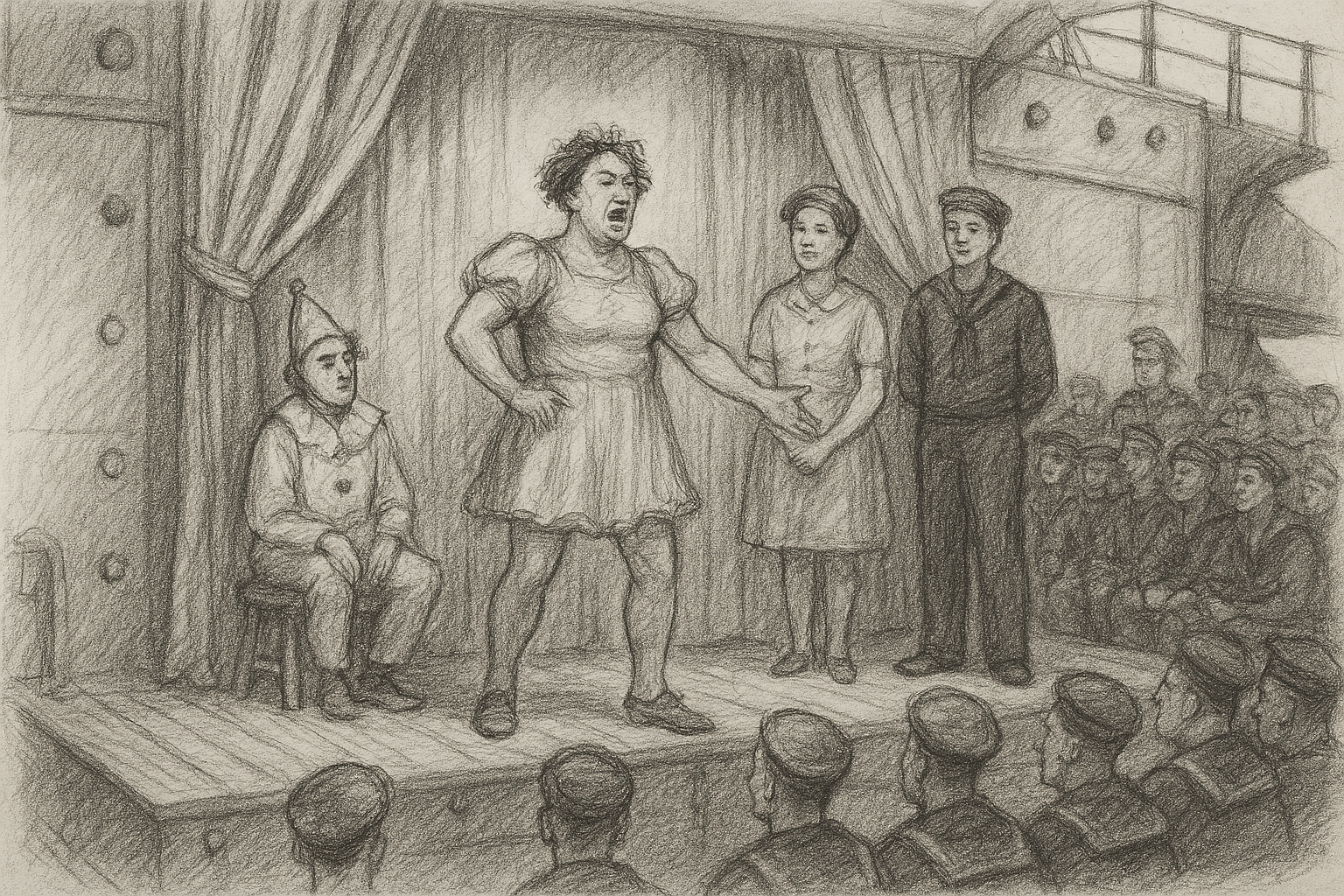
When war broke out, the Royal Navy expanded dramatically, and so did the appetite for diversion. Ships became floating communities, and the need for morale-boosting activities intensified. Amateur dramatics flourished, often organised by enterprising officers or ratings with a flair for the stage. The Admiralty even encouraged such efforts, recognising their value in maintaining mental resilience.
Performances ranged from light comedies and farces to Shakespearean excerpts, adapted to fit the constraints of onboard life. Space was the greatest challenge. A mess deck or wardroom might be transformed into a theatre with little more than a few planks for a stage and blackout curtains for scenery. Costumes were improvised from whatever materials were at hand – old uniforms, blankets, and even signal flags pressed into service as colourful backdrops.
Stars of the Sea
These productions were often surprisingly polished. Many sailors had theatrical experience before the war, and some would go on to professional careers after demobilisation. Shows were advertised on noticeboards, and tickets – usually free – were eagerly snapped up. For a few hours, the grim realities of convoy duty or the threat of U-boats faded into laughter and applause.
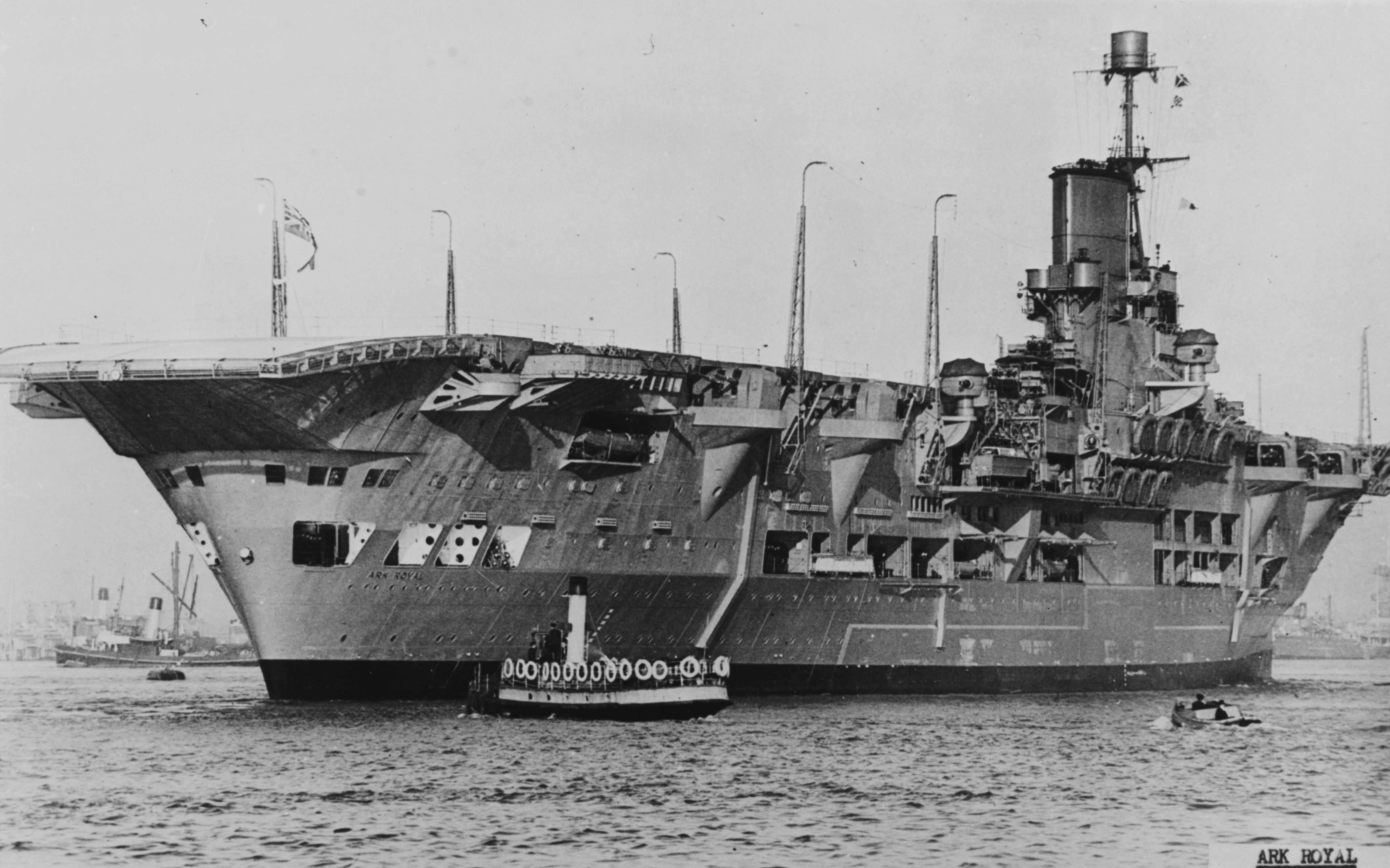
One famous example comes from HMS Ark Royal, where a troupe known as the “Ark Angels” staged regular performances during Atlantic crossings. Their repertoire included Noel Coward sketches and musical numbers, accompanied by a makeshift piano lashed to the deck. Similarly, on smaller vessels, concerts and plays were often combined, with sailors singing popular tunes between acts.
The aircraft carrier Indomitable was also known to be something of a creative crucible. According to Sarah Penny’s extensive research, theatrical traditions aboard ship included “spinning dits” (quick, humorous skits) and sketch-writing, activities that did more than entertain – they forged a distinct shipboard identity. These performances took shape in the carrier’s hangars and mess decks, making use of ad-hoc props, reused uniform elements, and every available patch of deck for staging. Sailors wrote their own material – vignettes that reflected life at sea, poked gentle fun at naval routines, and knit the crew tighter through shared laughter.
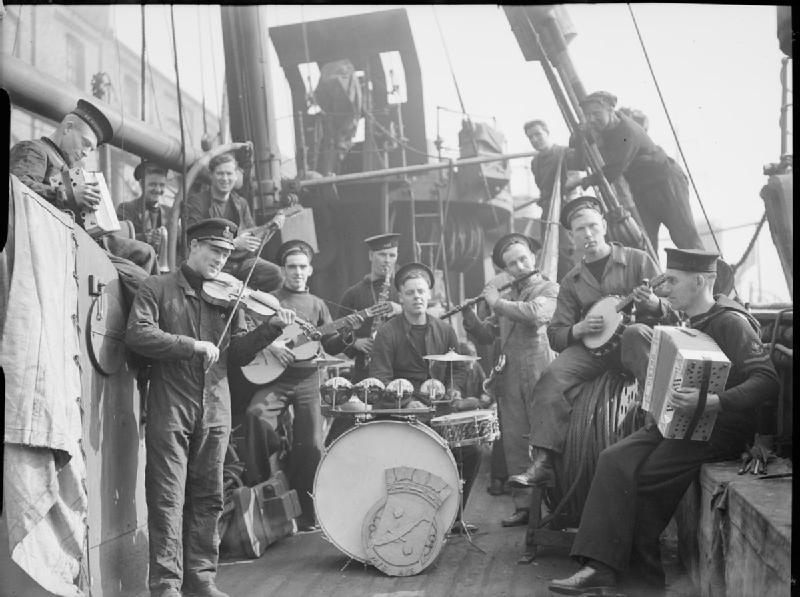
The impact of these theatricals went beyond amusement. They fostered unity, broke down barriers between ranks, and provided a creative outlet in an otherwise regimented life. Psychologists of the era noted that such activities reduced stress and improved operational effectiveness – a testament to the power of art, even in wartime.
Curtain Call
By 1945, thousands of plays had been staged aboard Royal Navy ships, from destroyers in the Mediterranean to carriers in the Pacific. While few scripts or programmes survive, the memories linger in diaries and oral histories, painting a vivid picture of resilience through creativity. In the words of one veteran: “For an hour or two, we weren’t sailors in a war – we were actors on a stage.”
The Restless Wave, by David Clensy, is out on May 22, 2026, pre-order for Kindle now: getbook.at/TheRestlessWave


Leave a Reply