Eighty six years on from Churchill’s “blood, toil, tears and sweat” speech, David Clensy has been looking back at Churchill’s first speech as Prime Minister
On 13 May 1940, Winston Churchill stood before the House of Commons for the first time as Prime Minister. Britain was at war, but it was a war already slipping out of control. German forces had launched their offensive into Western Europe just days earlier, overwhelming the Netherlands and Belgium and driving hard into France. Against that backdrop, Churchill did not promise victory, comfort or even survival. Instead, he offered something far starker: “blood, toil, tears and sweat.”
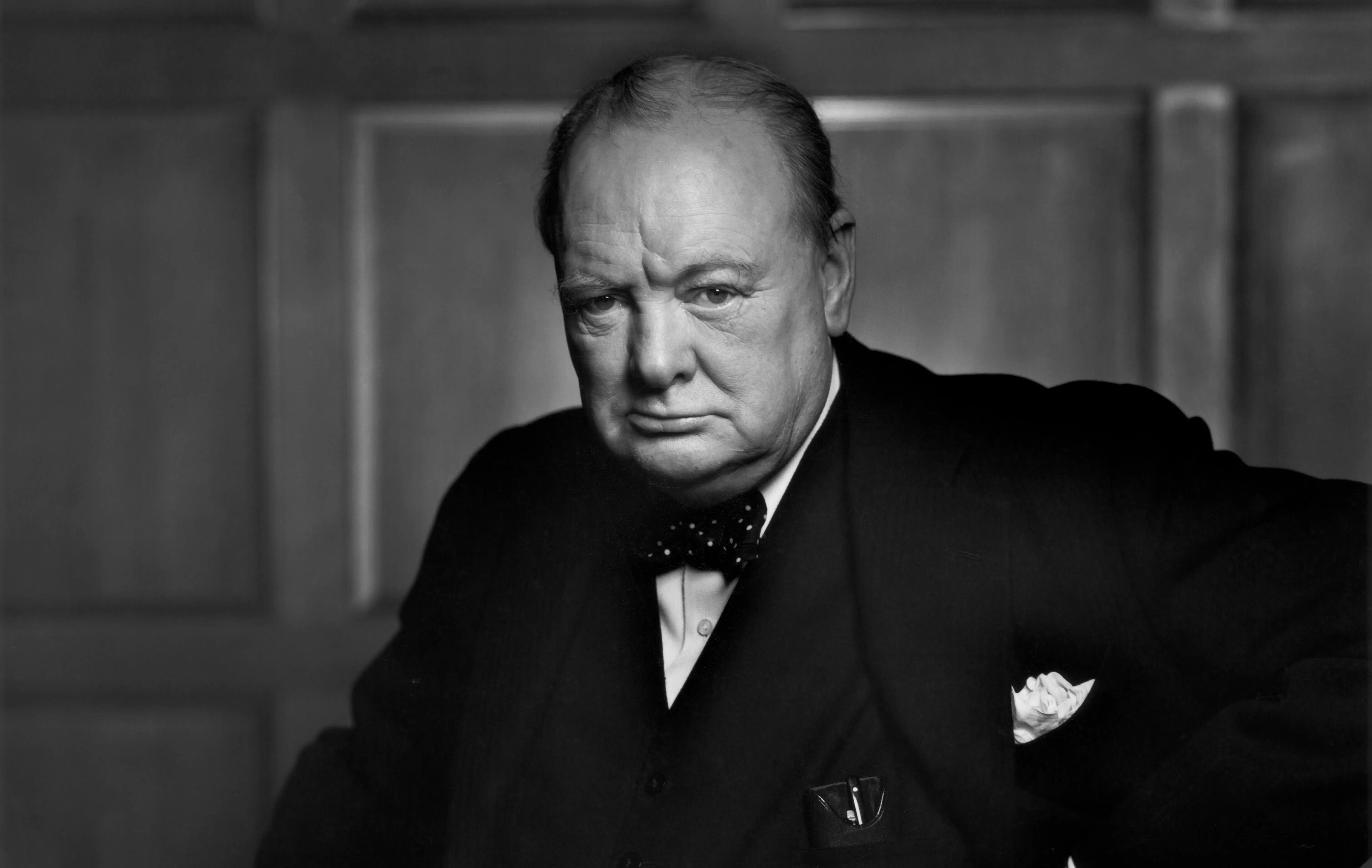
Eighty-six years later, the speech remains one of the defining moments of the Second World War. Not because it changed events overnight, but because it changed how a nation understood what lay ahead.
A speech at the edge of defeat
To understand the significance of 13 May 1940, it is essential to grasp just how precarious Britain’s position was at that moment.
Churchill had replaced Neville Chamberlain only three days earlier, on 10 May, amid deep political uncertainty. On the very same day, Germany launched its long-anticipated assault on the Low Countries and France. Within hours, the illusion of a stable Western Front had collapsed.
When Churchill addressed Parliament, he faced an audience that was divided, anxious and unsure whether his government could hold together. His coalition was newly formed; his authority not yet fully established. The temptation, in such circumstances, might have been to reassure – to soften; to project confidence. Instead, Churchill did the opposite.
The power of blunt truth
Churchill’s opening statement laid out the situation with almost brutal clarity:
“I have nothing to offer but blood, toil, tears and sweat.”
There was no attempt to disguise the scale of the challenge. The speech made clear that Britain faced “a most grievous kind of war” and a struggle against “a monstrous tyranny”.
This was not rhetoric designed to uplift in the conventional sense. It was rhetoric designed to prepare. And that is precisely what gave it power. By acknowledging sacrifice from the outset, Churchill established a contract with both Parliament and the public. He would not mislead them. In return, he asked for endurance.

Leadership through language
The speech is often remembered for a single line, but its deeper significance lies in how Churchill framed the war itself.
He defined the objective in absolute terms: victory. Not compromise, not negotiation, but total defeat of Nazi Germany, “however long and hard the road may be.”
At a time when the outcome was far from certain, this clarity mattered. It removed ambiguity. It set direction. Crucially, it also unified a fragile political landscape. The House of Commons overwhelmingly backed Churchill’s government after the speech, giving him the authority he needed to lead in wartime.
In this sense, the speech was not just symbolic. It was operational. It helped stabilise Britain’s political leadership at a moment when instability could have proved fatal.
A Moment Within a Wider Collapse
The events of 13 May cannot be separated from what was unfolding across Europe.
On the same day, German troops forced crossings of the River Meuse, opening a decisive breach in Allied defences. The Netherlands was already on the brink of collapse; its government would soon flee into exile. In other words, Churchill’s speech was delivered not in the aftermath of disaster, but at its very outset.
That timing is critical. Britain had not yet experienced Dunkirk. France had not yet fallen. The Battle of Britain had not been fought. The worst was still to come. The speech, therefore, was not a response to defeat. It was a pre-emptive act of psychological preparation for it.
Why It Still Matters
Eighty-six years on, the “blood, toil, tears and sweat” speech endures not simply because of its phrasing, but because of the leadership principles it embodies.
Honesty as a foundation of trust
Churchill did not seek to manage expectations; he raised them to match reality. In doing so, he established credibility that would prove essential in the months that followed.
Clarity of purpose
By defining victory as the only acceptable outcome, he eliminated uncertainty about Britain’s strategic direction. That clarity shaped both policy and public morale.
Emotional realism
The speech recognised fear and difficulty without being paralysed by them. It acknowledged sacrifice as inevitable, not exceptional.
Timing
Delivered at the very beginning of a national crisis, it framed everything that followed. It gave people the language to understand events as they unfolded.
From words to resolve
In the weeks after the speech, events moved rapidly. The Allied armies were forced back to the Channel. The evacuation from Dunkirk would begin later in May. France would fall in June.
At each stage, Britain’s position appeared increasingly untenable. And yet, the resolve that Churchill had articulated on 13 May held. The language of endurance, sacrifice and ultimate victory became embedded in the national narrative. The speech did not win the war. But it helped ensure that Britain stayed in it.
Remembering the speech today
Anniversaries such as this are an opportunity to reflect on how leadership operates under pressure. The “blood, toil, tears and sweat” speech reminds us that in moments of profound uncertainty, the most powerful message is not always the most comforting. It is the most truthful.
For Churchill, that meant preparing a nation not for quick success, but for sustained struggle. More than eight decades on, that lesson still resonates.
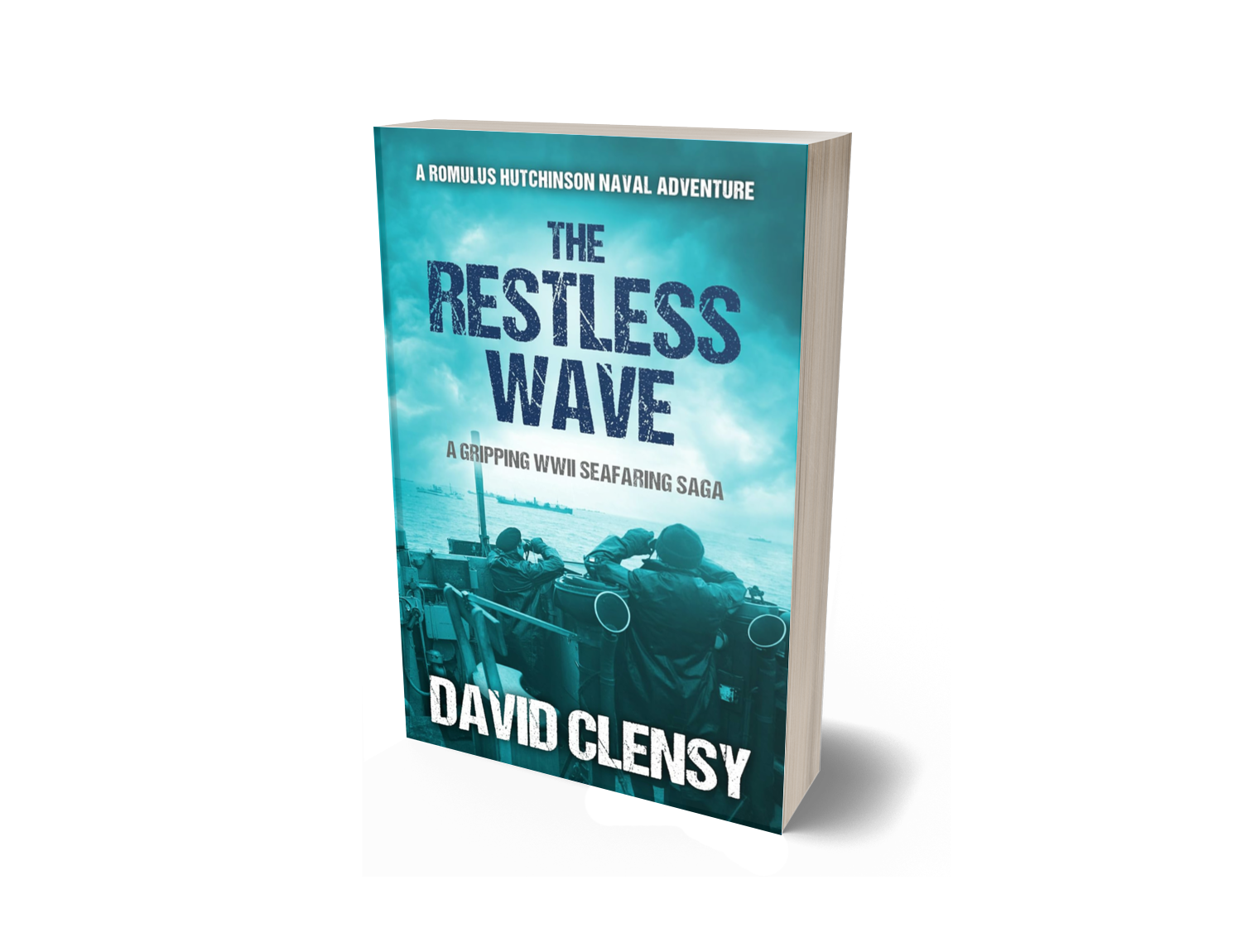
While you’re here – if you’re interested in the history of the Second World War, I would point you towards my Romulus Hutchinson Naval Adventure series, which tells the story of the war through the eyes of twins serving with the Royal Navy and Merchant Navy. The fourth part of the series, The Restless Wave, is out on May 22, 2026, pre-order for Kindle now: getbook.at/TheRestlessWave


Leave a comment